
By Sal Greco
Another lawsuit has been filed against the New York City Police Department, and once again it raises troubling questions about whether the NYPD has truly addressed allegations of workplace harassment, retaliation, and discrimination—or whether the same culture continues to persist under Police Commissioner Jessica Tisch.
According to a complaint filed in Bronx County Supreme Court by Officer Donna Castillo-Diaz, the plaintiff alleges she endured years of sexual harassment, retaliation, discrimination, disability discrimination, and a hostile work environment while assigned to Transit District 11. The lawsuit follows an earlier federal sexual harassment case that was reportedly resolved through a financial settlement, yet the complaint alleges the retaliation and workplace hostility continued afterward rather than ending.
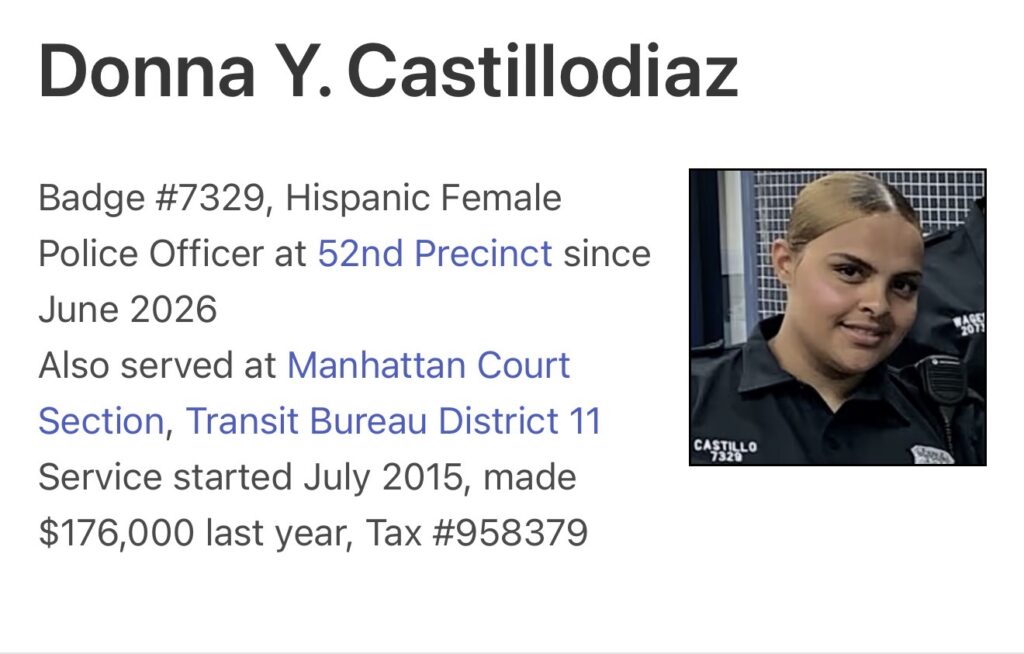
The complaint paints a picture of an officer who claims that after reporting alleged misconduct, she became increasingly isolated inside her command. Among the allegations are that she was removed from a long-held administrative assignment shortly after a new commanding officer arrived, subjected to retaliatory assignments, faced repeated unwanted comments from supervisors and coworkers, encountered resistance after seeking workplace accommodations for Raynaud’s disease, and experienced additional retaliation after reporting concerns through internal NYPD channels. These are allegations contained in the lawsuit, and they have not been proven in court.
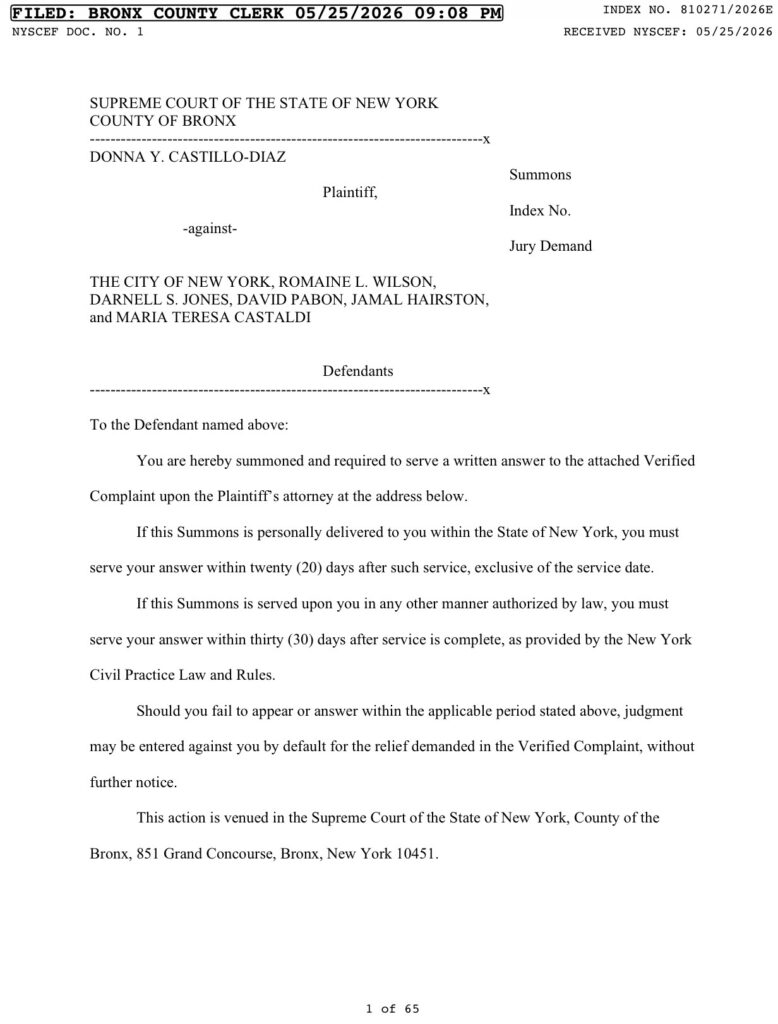
Perhaps one of the most concerning allegations is not simply the alleged misconduct itself, but the claim that reporting it only made matters worse.
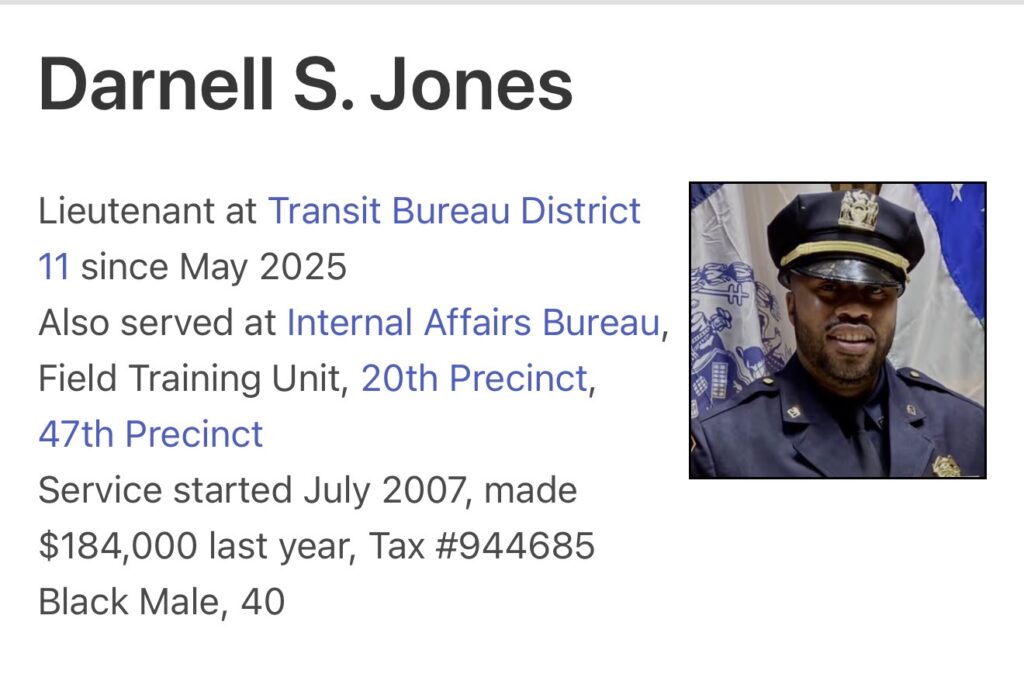
According to the complaint, after utilizing internal reporting mechanisms—including the Office of Equity and Inclusion—the plaintiff alleges that her concerns were diverted, mishandled, or resulted in further retaliation rather than meaningful intervention. The lawsuit further alleges that other female officers feared coming forward because of concerns about retaliation. Those allegations remain to be litigated.
If these allegations ultimately prove true, they would suggest a culture where employees lose confidence in the very systems designed to protect them.
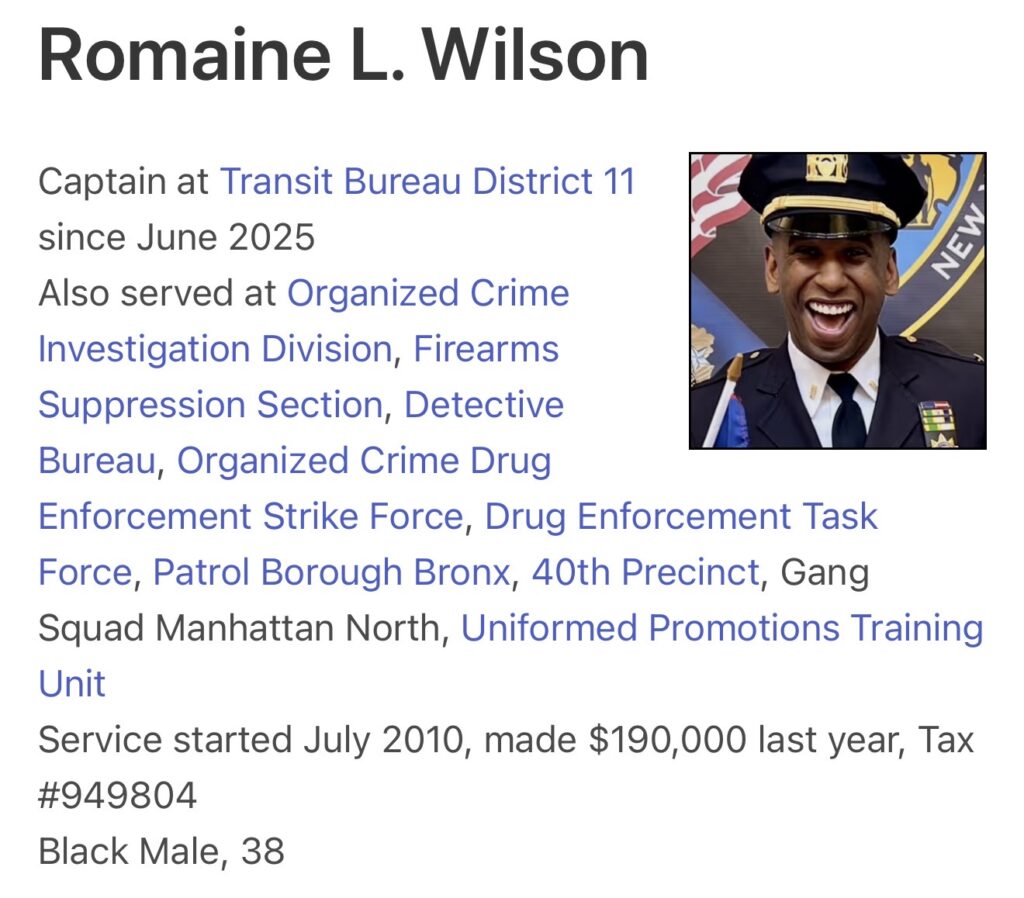
A Pattern That Appears Again and Again
For followers of The Sal Greco Show, many of these allegations will sound familiar.
Over the past year, this outlet has reported on numerous lawsuits and controversies involving the NYPD, including allegations involving the Police Academy, Internal Affairs investigations, retaliation claims, promotion disputes, discrimination lawsuits, overtime scandals, and other workplace misconduct.
Each lawsuit stands on its own merits and must ultimately be decided on its own evidence. But collectively, they raise broader questions about organizational culture.
How many lawsuits alleging retaliation, discrimination, hostile work environments, or sexual harassment does an agency accumulate before leadership begins asking whether the problem is systemic rather than isolated?
That question becomes increasingly difficult to ignore.
Leadership Matters
Every police commissioner inherits problems.
The real measure of leadership is whether those problems improve—or continue.
Critics of Commissioner Jessica Tisch argue that the department has continued to face a steady stream of lawsuits alleging discrimination, retaliation, and workplace misconduct during her tenure. Supporters may point to reforms underway or argue that litigation is an inevitable reality for a department employing tens of thousands of people.
Both perspectives deserve consideration.
However, public confidence is influenced not only by courtroom outcomes but also by whether officers believe internal reporting systems are effective. When employees repeatedly claim they have nowhere to turn except the courts, confidence in internal accountability naturally comes into question.
Internal Affairs Under Its Own Cloud
Adding to those concerns is the fact that the NYPD’s own Internal Affairs Bureau has itself been the subject of public allegations.
The Sal Greco Show has previously reported on allegations involving the department’s Internal Affairs leadership, including allegations concerning inappropriate fraternization involving senior personnel. Those allegations have also received public attention but remain allegations unless and until established through official findings or court proceedings.
When the division responsible for investigating misconduct becomes the subject of misconduct allegations itself, it inevitably raises questions about public confidence in the integrity of the disciplinary system.
When the Courts Become the Last Resort
Perhaps the most troubling theme emerging from this and other lawsuits is the recurring allegation that officers no longer trust the NYPD’s internal complaint process.
If employees believe reporting misconduct leads to retaliation rather than protection, the incentive becomes silence rather than accountability.
No organization—especially one entrusted with enforcing the law—can afford that perception.
Courts exist to resolve disputes when internal systems fail. Yet litigation should be the exception, not the primary avenue through which employees seek justice.
Time for Accountability
The allegations contained in Officer Castillo-Diaz’s complaint remain exactly that—allegations—and the defendants will have the opportunity to respond in court.
But the larger issue extends beyond any single lawsuit.
The accumulation of litigation involving allegations of retaliation, discrimination, hostile work environments, and workplace misconduct has become a recurring feature of discussions surrounding the NYPD.
Whether every allegation is ultimately proven is not the only question.
The more significant question is why so many officers continue to allege that internal mechanisms failed them.
Leadership is ultimately judged not by press conferences, but by organizational culture.
If officers increasingly believe that the only place they can obtain a fair hearing is inside a courtroom, then something fundamental has broken down.
For that reason, Commissioner Jessica Tisch faces growing scrutiny over whether the department is moving toward meaningful reform—or whether the mounting litigation reflects deeper institutional problems that require new leadership.

NYPD Police Commissioner Jessica Tisch with NYC Mayor Zohran Mamdani