
BY SAL GRECO
The criminal arrest and indictment of former NYPD Inspector Jeremy Scheublin marks one of the most significant developments in the ongoing controversy surrounding the NYPD’s 46th Precinct in the Bronx. What began as allegations contained in civil lawsuits has now escalated into a criminal prosecution by the Bronx District Attorney’s Office, placing renewed attention not only on Scheublin’s alleged conduct but also on the leadership decisions made by the New York City Police Department during and after the alleged incidents.
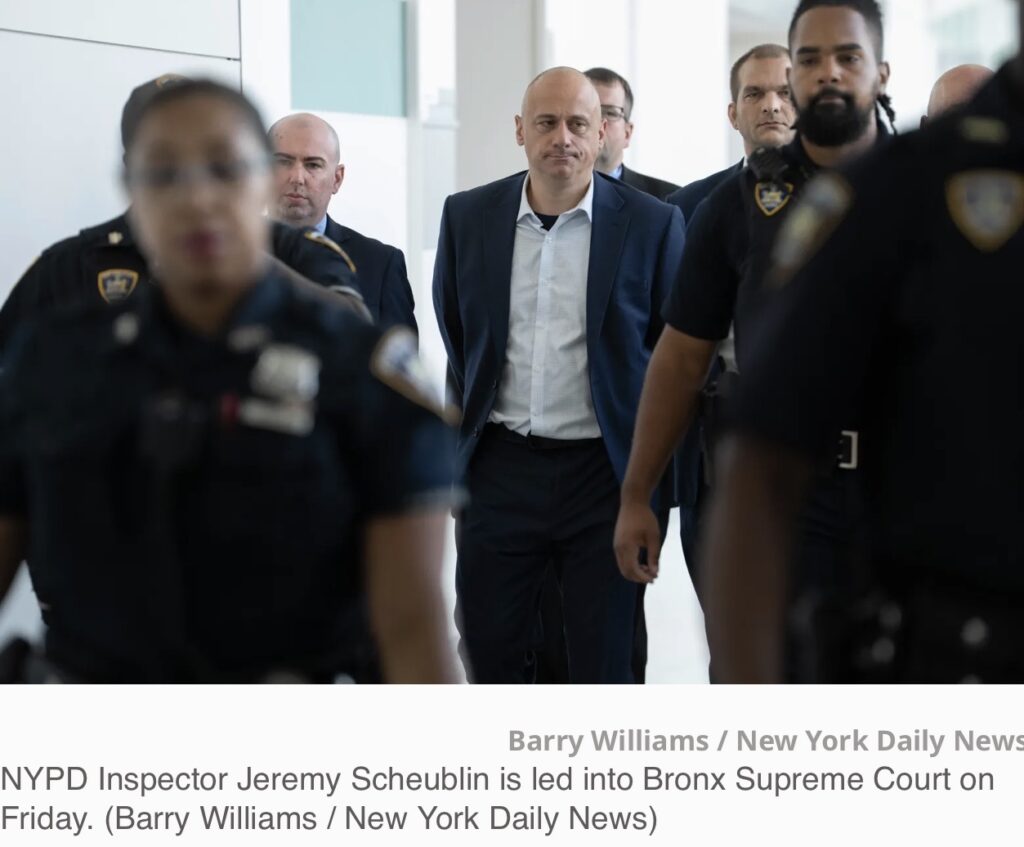
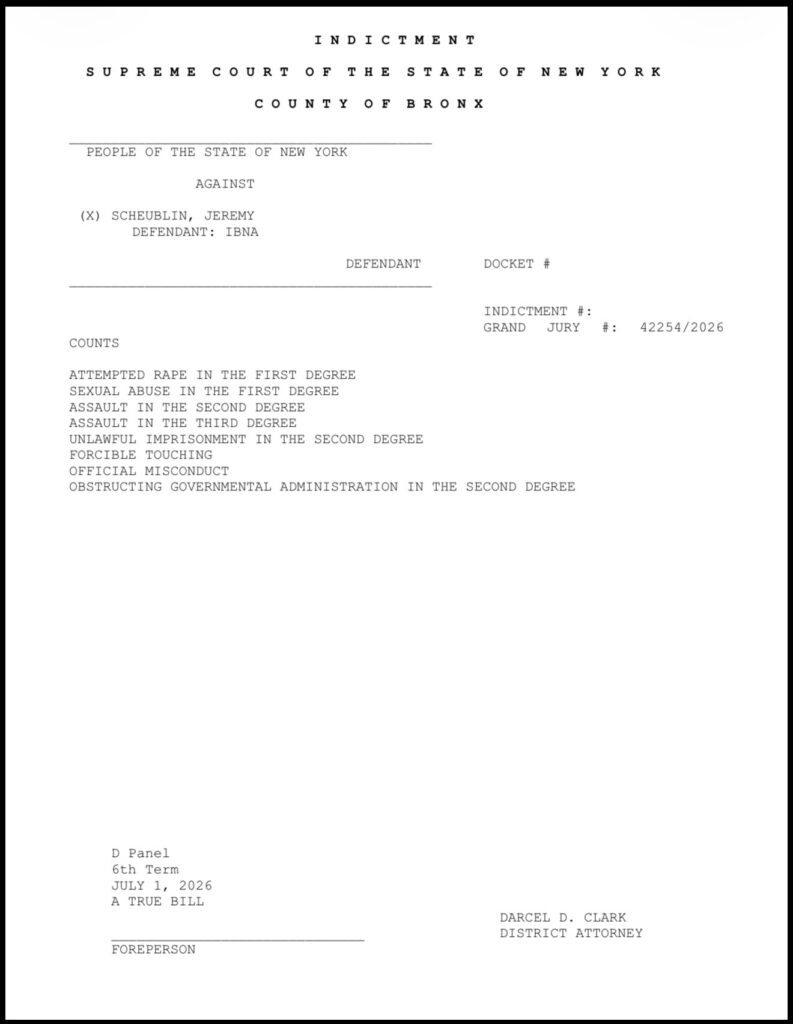
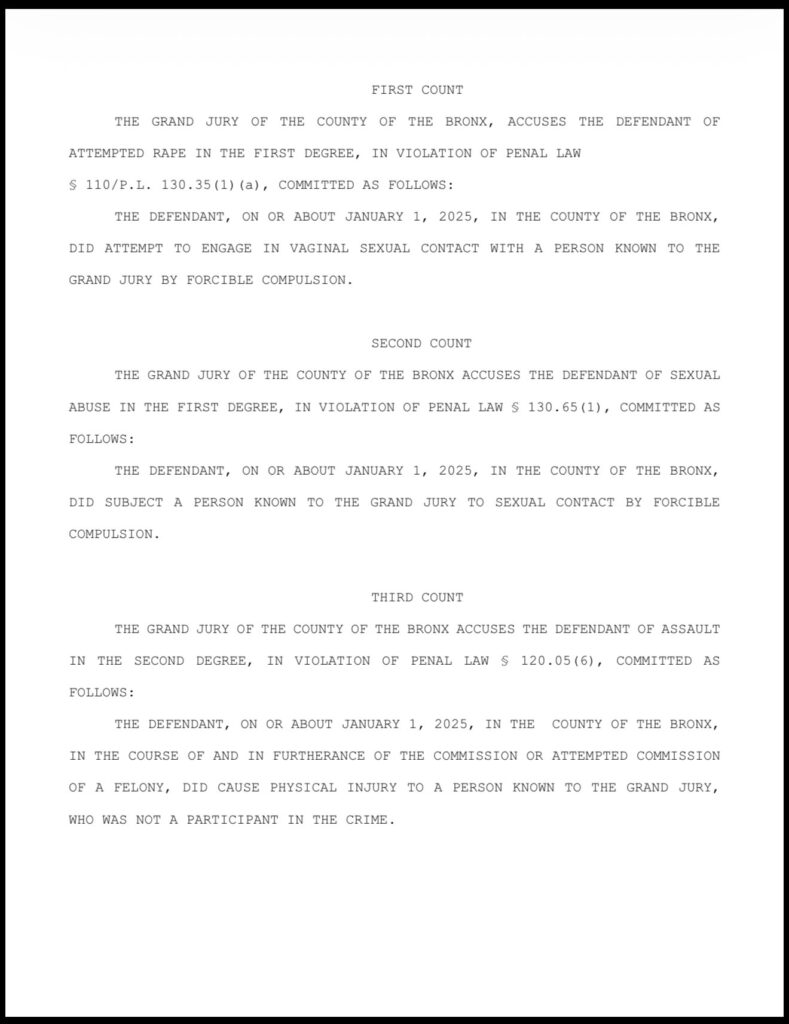
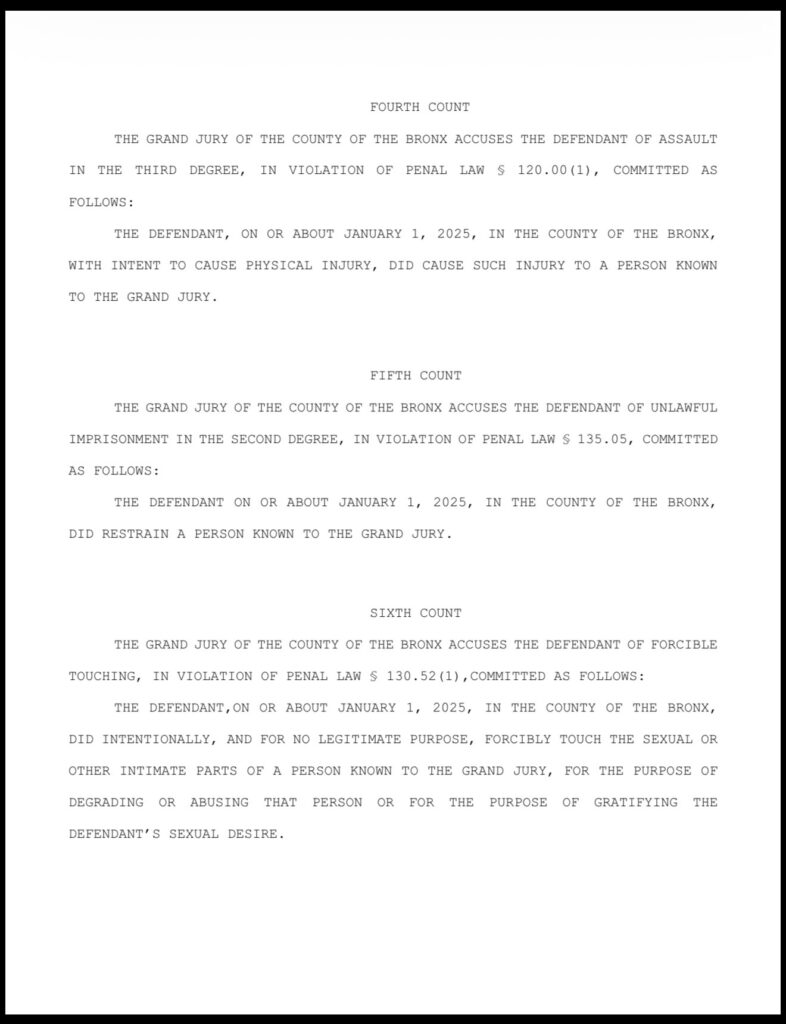
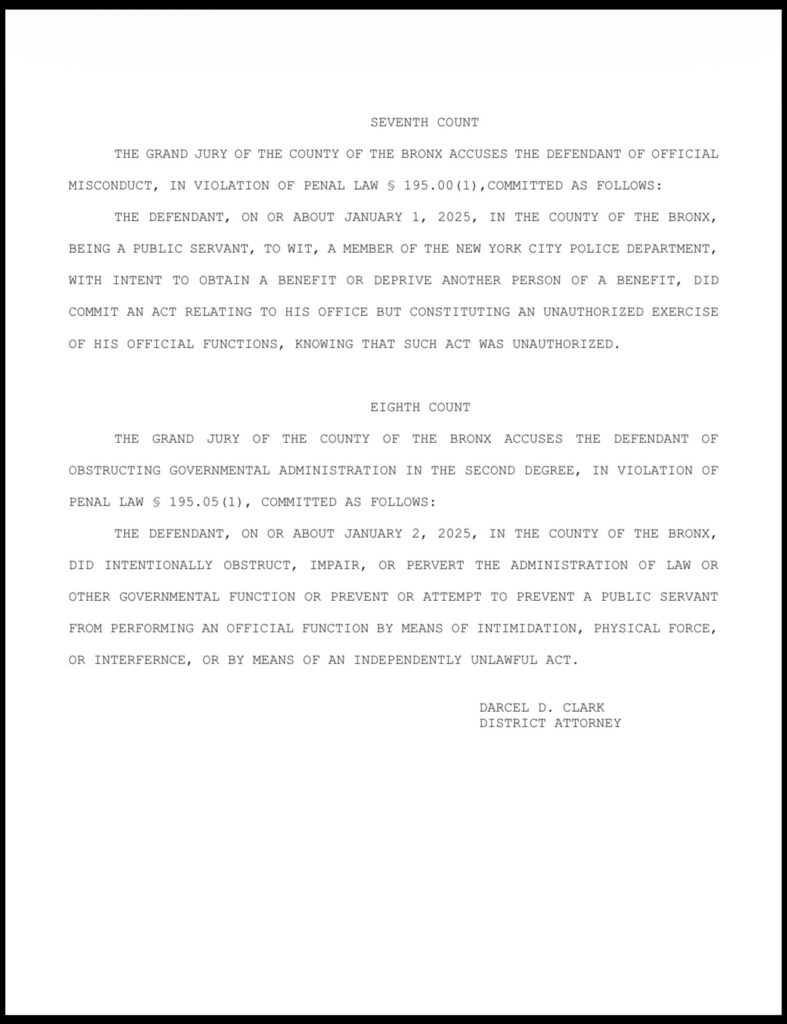
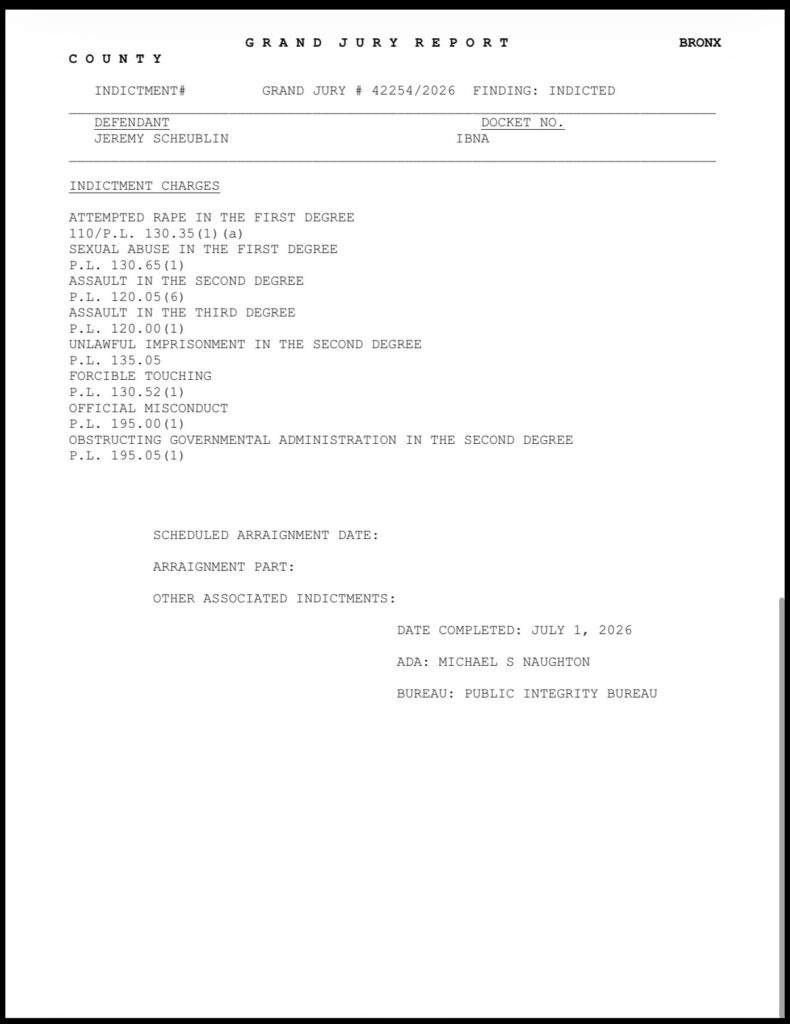
According to the indictment returned by a Bronx grand jury on July 1, 2026, Scheublin has been charged with:
- Attempted Rape in the First Degree
- Sexual Abuse in the First Degree
- Assault in the Second Degree
- Assault in the Third Degree
- Unlawful Imprisonment in the Second Degree
- Forcible Touching
- Official Misconduct
- Obstructing Governmental Administration in the Second Degree
The indictment alleges that the offenses stem from an incident occurring on or about January 1, 2025.
As with every criminal prosecution, these are allegations contained in an indictment. Mr. Scheublin is presumed innocent unless and until proven guilty in a court of law.
A Criminal Case Following Months of Civil Allegations
The arrest follows months of public reporting concerning the culture inside the 46th Precinct.
Civil lawsuits previously filed against the City of New York alleged widespread misconduct, retaliation, sexual harassment, and a so-called “frat house” environment within the command. Those lawsuits contained allegations that extended beyond one individual and raised broader concerns about the precinct’s supervisory structure.
The criminal indictment now represents a separate legal proceeding brought by prosecutors after presentation to a grand jury.
According to the Bronx District Attorney’s Office, the evidence presented resulted in a true bill charging Scheublin with eight felony and misdemeanor offenses.
The Sal Greco Show Reported on the Story Before the Arrest
Long before the criminal arrest became public, The Sal Greco Show and SalGreco.com had devoted extensive coverage to allegations involving Inspector Jeremy Scheublin and the 46th Precinct.
Among the reporting published were:
- NYPD Inspector Jeremy Scheublin: From Sexual Assault Allegations to Suspension — Is This the Jeffrey Maddrey Effect?
- New Lawsuits Renew Scrutiny of NYPD’s 46th Precinct as Questions Over Leadership and Frat House Culture Continue
Those reports examined allegations contained in civil complaints while carefully identifying them as allegations rather than established facts. They also questioned how departmental leadership was responding to complaints involving one of the Bronx’s largest precincts.
With Scheublin now criminally indicted, many of the questions raised in those earlier reports have taken on added significance, even though the criminal case will ultimately be decided in court.
Questions About NYPD Leadership
One of the central issues now facing the NYPD is not simply what Jeremy Scheublin is accused of doing, but how the department handled the situation while investigations were ongoing.
According to multiple lawsuits and prior reporting, Scheublin remained a full-duty commanding officer for an extended period despite complaints and internal investigations.
Critics have questioned why he allegedly continued supervising personnel—including, according to allegations in litigation, the very employee involved in the case—rather than being immediately modified or reassigned pending the outcome of investigations.
Those questions now extend beyond Scheublin himself and toward departmental decision-making.
The Temporary Restraining Order That Changed Everything
Another significant development highlighted throughout the litigation was the filing of a temporary restraining order by attorney John Scola.
According to court filings and litigation referenced by the parties, the restraining order effectively prevented continued workplace interaction between the plaintiff and Scheublin.
Observers have argued that the filing dramatically accelerated events.
While internal investigations had reportedly been ongoing for many months, the restraining order appears to have forced immediate action that had not previously occurred.
Whether that sequence reflected normal departmental procedure or an institutional reluctance to act sooner remains an issue likely to receive continued public attention.
Eric Sanders’ Criticism
Attorney Eric Sanders, who has represented plaintiffs in litigation involving the 46th Precinct, has publicly argued that the lawsuits describe far broader institutional problems than the conduct of a single individual.
Sanders has repeatedly asserted that the allegations reflect failures of supervision and accountability rather than isolated misconduct.
His public statements have emphasized that departments have an obligation to protect employees who report misconduct and to remove supervisors who allegedly abuse their authority when credible evidence exists.
Those views remain advocacy on behalf of his clients and should be understood in that context.
Leadership Changed—But Did the Culture?
Following Scheublin’s removal, the NYPD installed Inspector Moran as commanding officer of the 46th Precinct.
However, according to sources who have spoken with The Sal Greco Show, concerns about the command’s internal culture have not disappeared.
Those sources allege that many of the problems described in prior lawsuits continued after the leadership transition.
The Sal Greco Show has not independently verified every allegation made by those sources. The NYPD has not publicly confirmed those allegations.
Nevertheless, multiple individuals familiar with conditions inside the command have told The Sal Greco Show they believe the underlying cultural problems extend beyond one commanding officer.
According to those sources, the so-called “frat house” atmosphere allegedly involved multiple supervisors and officers over an extended period and cannot fairly be attributed solely to Jeremy Scheublin.
Those remain allegations from confidential sources and have not been established in court.
Questions for Police Commissioner Jessica Tisch
The arrest also places renewed focus on Police Commissioner Jessica Tisch and her administration.
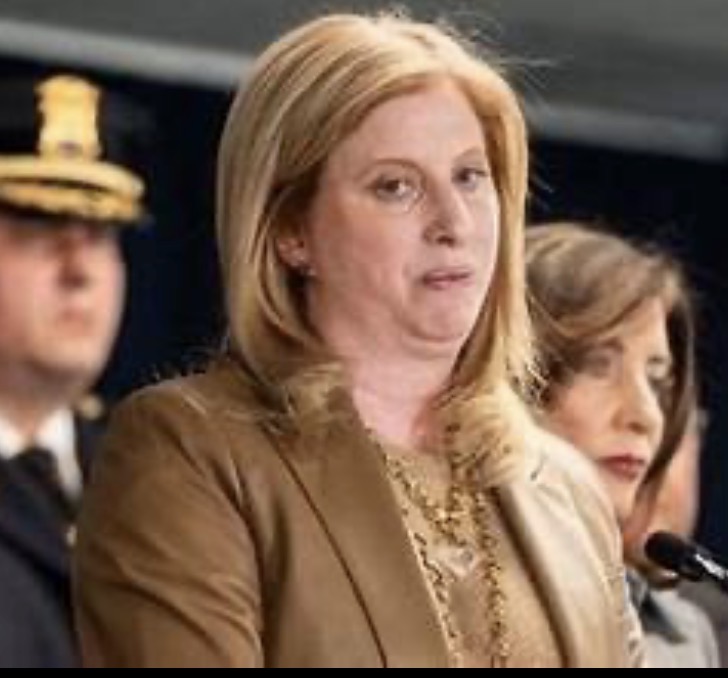
Critics have questioned why Scheublin allegedly remained in command despite reports that investigations had been underway for many months.
Others have asked whether stronger intervention should have occurred earlier.
In the opinion of The Sal Greco Show, the department failed to move aggressively enough to protect employees while allegations were under investigation.
That is an opinion based on publicly reported timelines, litigation, and departmental actions—not a finding of fact.
The commissioner has not publicly acknowledged any failure in handling the matter.
Is One Arrest Enough?
One of the largest unanswered questions now facing investigators is whether additional individuals may ultimately face disciplinary or criminal consequences.
According to sources who spoke with The Sal Greco Show, they believe numerous supervisors participated in or tolerated conduct that created the alleged “frat house” environment inside the precinct.
Those sources contend the culture developed over years rather than through the actions of one person alone.
Those allegations remain unproven.
Whether investigators ultimately determine additional misconduct occurred remains to be seen.
The Criminal Case Continues
The indictment itself does not determine guilt.
Instead, it formally alleges that prosecutors believe sufficient evidence exists to proceed to trial after review by a grand jury.
Scheublin will have the opportunity to challenge the allegations in court, and prosecutors will bear the burden of proving every element of every charge beyond a reasonable doubt.
Conclusion
The arrest of former Inspector Jeremy Scheublin represents a major development in one of the NYPD’s most closely watched internal controversies.
The criminal case will determine whether prosecutors can prove the allegations against him. At the same time, broader questions remain about how the NYPD handled complaints, supervised the 46th Precinct, and whether institutional failures allowed an allegedly toxic workplace culture to persist.
For months, The Sal Greco Show and SalGreco.com reported on lawsuits, complaints, and concerns surrounding the command. The indictment has now transformed those concerns into a criminal prosecution that is likely to keep the 46th Precinct—and the NYPD’s leadership decisions—under intense public scrutiny for months to come.