
BY SAL GRECO
Sources blame management under Deputy Chief Bienvenido Martinez for worsening morale, rising call-outs and an alleged staffing scramble that has uniformed officers answering phones. The Sal Greco Show reached out to NYPD DCPI for answers but received no comment prior to publication.
The NYPD Communications Division—the operation responsible for receiving emergency calls that can mean the difference between life and death—is facing serious questions after sources described what they characterize as a growing staffing and morale crisis.
According to information provided to The Sal Greco Show, civilians assigned to Communications have allegedly been subjected to significant tour and squad changes while employees are being overworked. Sources contend those conditions have contributed to increased call-outs and left the Department scrambling to fill critical positions.
The allegations, if accurate, raise an obvious question: How did a staffing problem inside Communications reach the point where personnel who should be policing New York City’s streets—or learning how to do so—are reportedly being used to fill the gaps?
Sources: Precinct Cops Are Being Pulled to Answer Calls
Multiple claims provided to this outlet paint a troubling picture.
Sources allege that NYPD police officers who previously worked in precinct assignments are now being used to answer calls inside Communications. They further claim other personnel, including employees described internally as “gray shirts,” have been brought in to help handle the workload.
Even more concerning are allegations that Police Academy recruits who should be receiving the training necessary to become New York City police officers are instead being utilized to answer 911 calls.
That deserves an explanation from NYPD leadership.
Every officer removed from a precinct to perform a function necessitated by staffing shortages potentially means one fewer officer available for patrol, enforcement, responding to calls for service and other public-safety responsibilities.
And recruits have a limited amount of Academy time in which to learn the law, tactics, firearms, emergency vehicle operations, physical fitness and the countless other skills expected of an NYPD officer.
If Academy training time is being sacrificed to address Communications staffing problems, New Yorkers deserve to know why.
One source described what they say is a growing staffing and retention crisis inside NYPD Communications. According to the source, the unit is severely understaffed, with employees routinely being held for overtime and some working 16-hour shifts on a near-daily basis. The source said the excessive workload has contributed to employees quitting, calling out sick simply to get needed rest, and even sleeping in locker rooms between shifts. The source also clarified that officers being directed back to Communications are generally former 911 operators being brought back to help address staffing shortages—a practice the source questioned because precincts themselves are dealing with backlogs and lengthy response times. The source further alleged that dispatchers who cannot remain for mandated overtime can accumulate command disciplines and potentially lose accrued time, while employees who call out sick without appropriate documentation may also have hours deducted. In the source’s assessment, the situation has created two competing public-safety problems: a 911 system struggling with insufficient manpower and precincts that need officers in the field responding to calls.
Sources Point to Management Under Deputy Chief Bienvenido Martinez
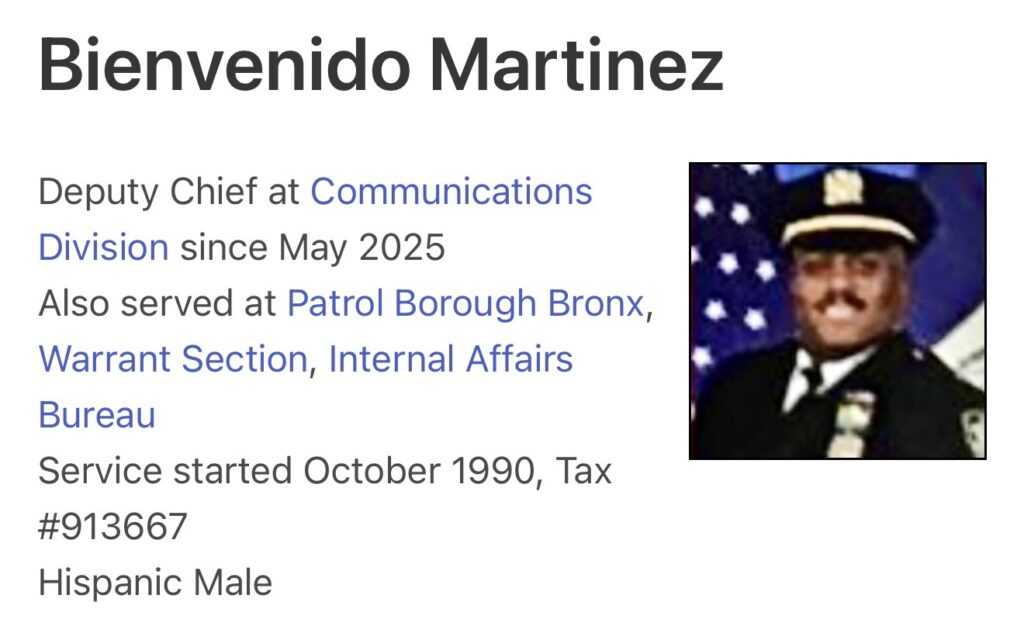
At the center of the allegations is Deputy Chief Bienvenido Martinez, who has headed the Communications Division since May 2025 and previously served in several commands, including the Internal Affairs Bureau.
Sources describe an environment in which civilian employees are allegedly being overworked while simultaneously facing what they characterize as aggressive discipline and scrutiny.
The allegation is not simply that employees are unhappy with management. Sources contend the management approach itself is contributing to the staffing problem: tours and squads are changed, employees become increasingly exhausted and frustrated, call-outs increase, and the Department then has to find personnel elsewhere to keep Communications functioning.
That creates a potentially self-perpetuating cycle.
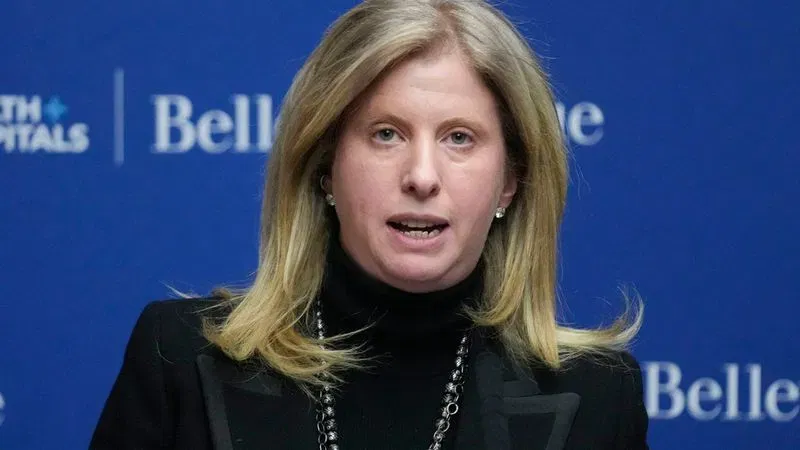
Sources further characterize Martinez’s disciplinary approach as consistent with what they view as the broader management philosophy implemented under Police Commissioner Jessica Tisch—an emphasis on discipline and accountability that, according to these employees, has instead created fear and deteriorating morale.
Those characterizations are allegations from sources. But the reported operational consequences are sufficiently serious that they warrant answers.
Where Do Steven Harte and Tania Kinsella Fit In?
Questions also extend higher into NYPD headquarters.
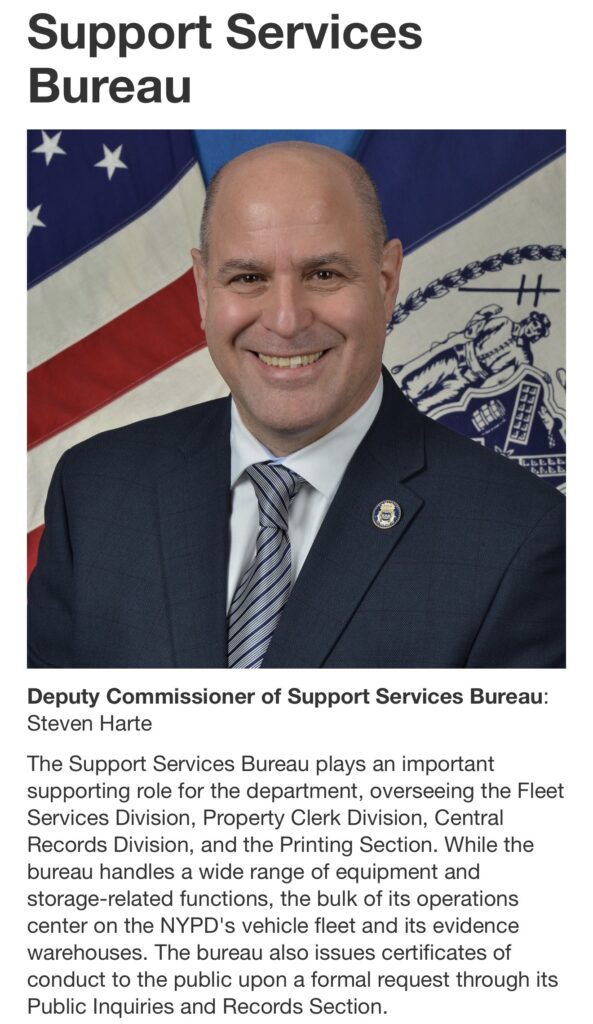
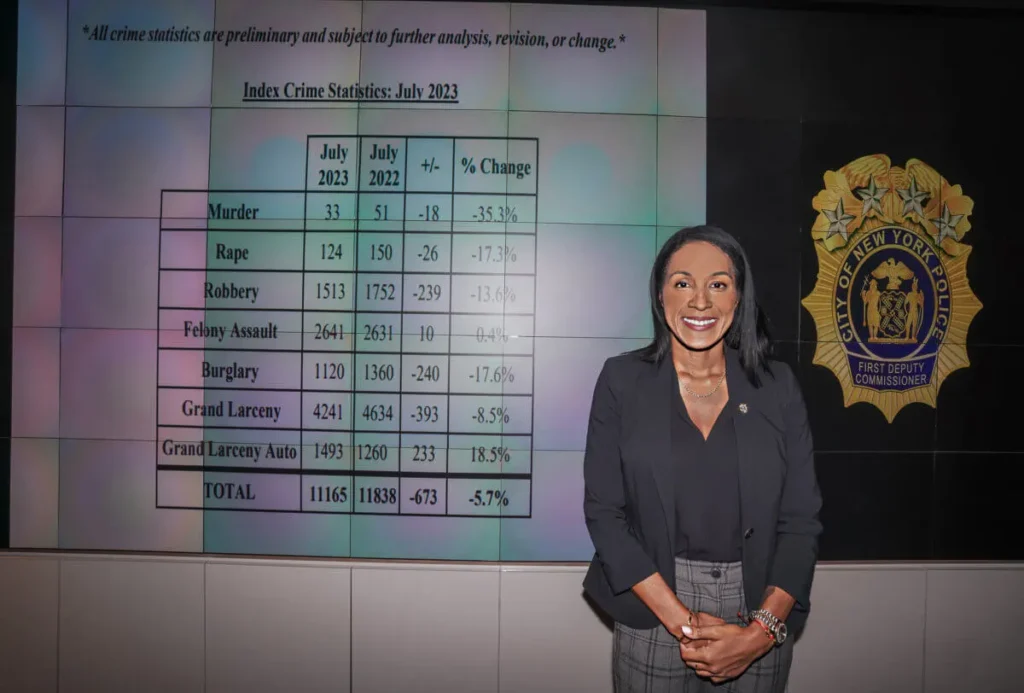
Sources identify Deputy Commissioner of Support Services Steven Harte as part of the relevant chain of command and specifically claim that First Deputy Commissioner Tania Kinsella is leading or overseeing the broader initiative connected with the changes.
That allegation needs to be confirmed—or denied—by the Department.
If Kinsella is directing the initiative, what exactly was the objective? What staffing analysis preceded it? How many employees had their tours or squads changed? What has happened to absenteeism since those changes were implemented?
Most importantly, how many police officers and recruits have subsequently been diverted to Communications to compensate for staffing needs?
Those numbers would go a long way toward determining whether this is simply employee dissatisfaction or evidence of a larger operational problem.
We Reached Out to NYPD DCPI. No Comment.
The Sal Greco Show reached out to the NYPD Deputy Commissioner of Public Information (DCPI) seeking the Department’s side of the story and asking specific questions designed to verify the allegations. We received no comment prior to publication.
Among other things, we sought confirmation regarding whether Communications has experienced elevated absenteeism; whether tours, squads or days off were changed; whether precinct police officers have been assigned to answer calls; whether Academy recruits are being utilized; whether other civilian personnel have been brought in; and whether overtime has increased.
We also asked the Department to explain Martinez’s role, clarify the chain of command involving Harte, and confirm or deny the allegation that First Deputy Commissioner Kinsella is leading the initiative.
The NYPD was additionally given the opportunity to identify anything in the information provided to us that it believes is inaccurate.
No response was received before publication.
Should DCPI respond, its position should be incorporated into any update to this report.
This Isn’t Just an Internal Personnel Dispute
There is a tendency to dismiss disputes over tours, assignments and management as inside-baseball NYPD personnel issues.
This one potentially isn’t.
The Communications Division is an essential component of New York City’s emergency-response system. Precinct staffing directly affects police visibility and response capabilities. Police Academy training determines how prepared the next generation of officers will be when they reach the streets.
Those three functions should not be cannibalizing one another because of a preventable staffing problem.
If sources are correct that civilians are being pushed to the point that call-outs are increasing, the answer cannot simply be to pull cops from precincts and recruits from Academy instruction to plug the holes.
That isn’t solving a staffing problem. It’s moving the staffing problem somewhere else.
And if management decisions contributed to creating the shortage in the first place, accountability needs to travel upward—not simply downward toward the employees being ordered to compensate for it.
The Tisch Administration Needs to Explain What Is Happening
Commissioner Jessica Tisch has repeatedly emphasized accountability during her tenure. Accountability, however, cannot exist solely for the people at the bottom of the organizational chart.
If a police officer makes a bad decision, that officer is expected to answer for it. The same standard should apply when executive-level decisions produce unintended operational consequences.
The Department can quickly clear much of this up by releasing the numbers: Communications staffing levels, absenteeism rates, overtime, the number of officers temporarily assigned there, the number of recruits utilized, and how those figures changed after the restructuring cited by sources.
Until then, serious questions remain.
Why are cops reportedly being taken away from precinct duties to answer phones? Why are recruits who should be training reportedly being used to fill Communications assignments? Why are employees calling out at the rate described by sources? And did management decisions intended to impose greater control actually create an even larger staffing problem?
Those aren’t questions about personalities or internal NYPD politics.
They are questions about whether one of the largest police departments in the world is managing its personnel effectively—and whether New Yorkers are ultimately paying the price when it doesn’t.