
BY SAL GRECO
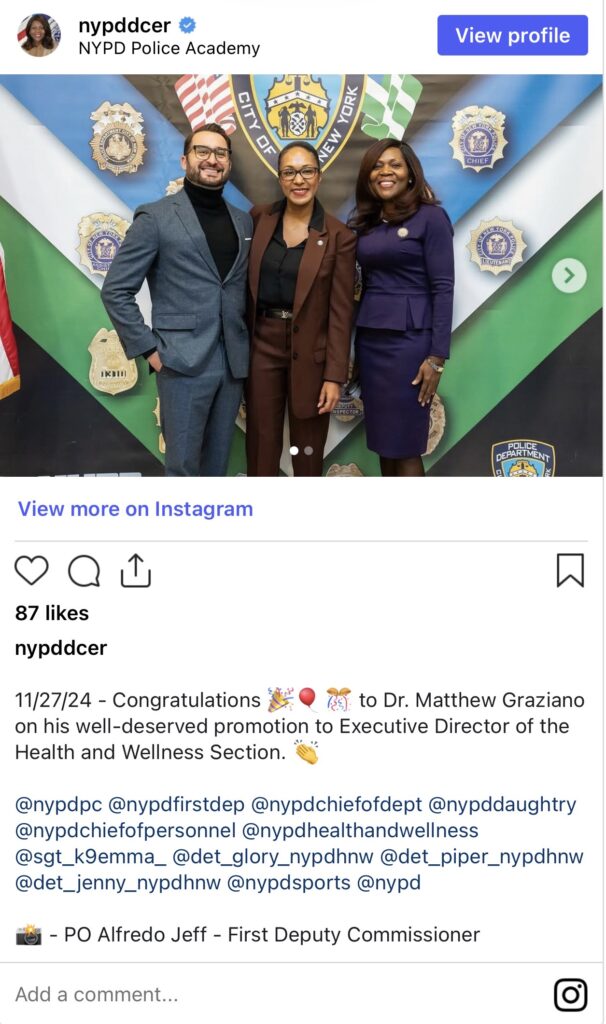
Months before a lawsuit alleging whistleblower retaliation, confidentiality violations, and improper conduct within the New York City Police Department’s Health & Wellness Section became public, The Sal Greco Show had already begun reporting on questions surrounding Executive Director Matthew Graziano.
What initially appeared to be a story centered on alleged misuse of time would eventually evolve into something far broader. Following the filing of Graziano’s lawsuit, his attorney, Nicole Brenecki, appeared on The Sal Greco Show to explain allegations that extended well beyond attendance records and payroll issues. According to the lawsuit and Brenecki’s interview, the dispute also involves allegations concerning confidential psychological records, internal retaliation, and the operation of one of the NYPD’s most sensitive units. Those allegations remain contested and have not been adjudicated in court.
January: The First Public Questions
On January 31, 2026, The Sal Greco Show published what it described as an exclusive report questioning the operation of the NYPD’s Health & Wellness Section.
Citing sources, the report alleged that Executive Director Matthew Graziano was reporting to work only once a week while collecting a full-time city salary. The report also questioned why taxpayers were funding the position if those allegations were accurate and called for accountability if wrongdoing had occurred.
The reporting also highlighted complaints surrounding the Employee Assistance Unit and questioned whether Internal Affairs would conduct a meaningful investigation.
At the time, no lawsuit existed, no public complaint had been filed by Graziano, and the discussion centered primarily on alleged misuse of time and oversight.
April: The Story Expands
Two months later, on April 3, The Sal Greco Show reported that Graziano had resigned following an investigation into what sources described as more than 1,000 hours of alleged misuse of NYPD time.
The reporting also noted that, according to those sources, the investigation had not resulted in a criminal inquiry by the NYPD Internal Affairs Bureau, the Department of Investigation, or a District Attorney’s Office.
The report contrasted that outcome with disciplinary actions historically taken against lower-ranking NYPD members for significantly less serious allegations and questioned whether executive-level accountability was being applied consistently.
At that point, the public narrative remained focused on alleged time abuse and accountability.
A Broader Pattern
The issue did not end with Graziano.
In May, The Sal Greco Show reported similar allegations involving Deputy Director David Tzall, Psy.D., alleging approximately 800 hours of official misconduct related to misuse of time.
The report also compared both cases to allegations previously raised involving Deputy Chief Richie Taylor, arguing that multiple high-ranking officials had faced allegations involving misuse of taxpayer-funded work hours while avoiding criminal prosecution.
Whether readers agreed with that conclusion or not, the reporting raised a broader public question: were different standards being applied depending on rank?
The New York Post Brings National Attention
The story gained substantially more attention when the New York Post published an April 4 article detailing allegations that Graziano had been operating an out-of-state private psychology practice while employed by the NYPD.
According to the Post’s reporting, sources alleged that Graziano had been working remotely from another state during hours when he was expected to be performing NYPD duties. The article also reported that he had maintained a private practice while serving as Executive Director of the Health & Wellness Section.
The Post further reported that his NYPD salary approached $180,000 annually.
Those reports significantly expanded public interest in the case and framed the controversy primarily around alleged time theft and outside employment.
Importantly, those allegations were based on reporting and source information. They were not criminal findings, and no criminal charges were filed against Graziano.
A Different Story Emerges
Everything changed in July.
On July 11, the New York Post reported that Graziano had filed a lawsuit claiming he had been forced out of the NYPD after objecting to practices involving confidential psychological records.
The lawsuit presented a dramatically different version of events.
Rather than portraying himself simply as an employee under investigation for attendance issues, Graziano alleged he became a whistleblower after objecting to what he believed were improper directives involving confidential mental-health information belonging to NYPD personnel.
Those allegations remain allegations contained in a civil complaint and have not been proven in court.
Bringing Both Sides to the Public
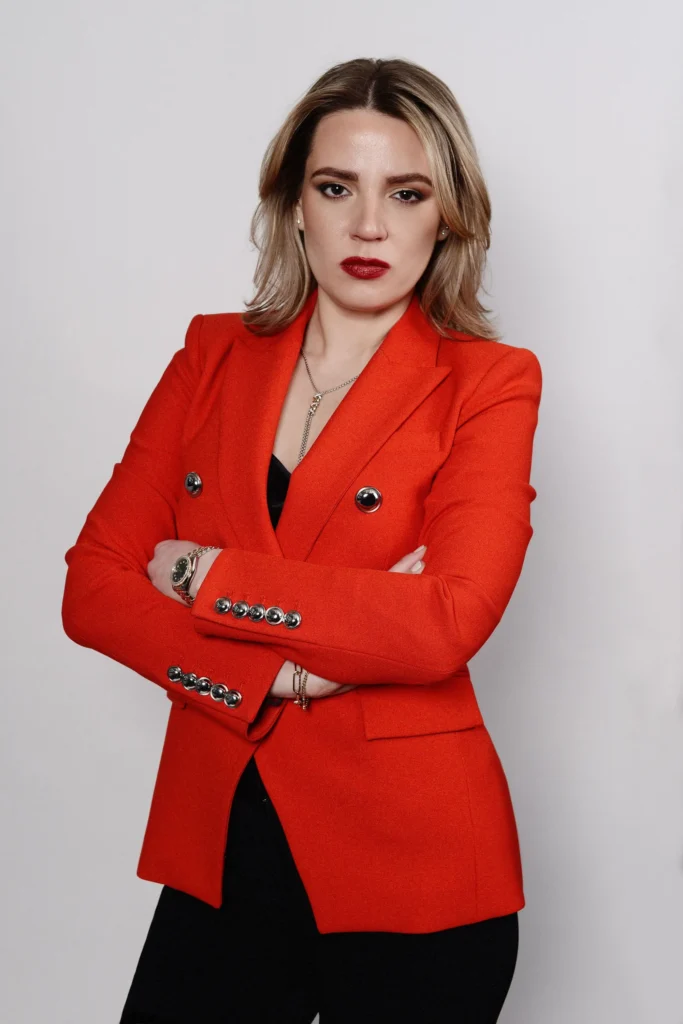
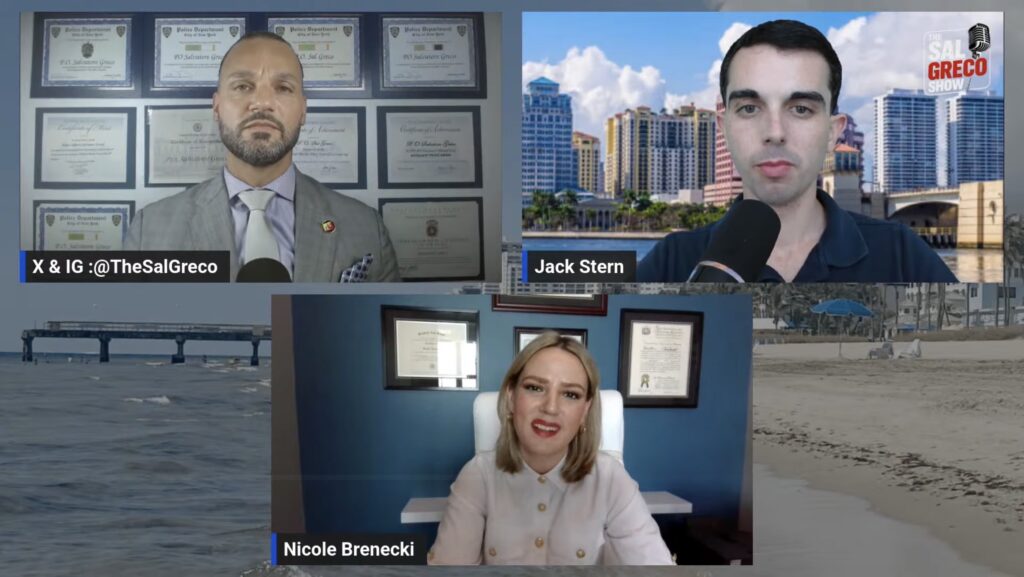
Rather than relying solely on court filings or media reports, The Sal Greco Show invited Graziano’s attorney, Nicole Brenecki, onto Episode 210 to explain the lawsuit directly to viewers.
The interview provided substantially more context than had previously been available publicly.
According to Brenecki, Graziano joined the NYPD in 2022 as a licensed psychologist after operating a specialized virtual private practice. She stated he accepted an entry-level psychologist position before rapidly earning multiple promotions because of what she described as consistently outstanding performance evaluations. Eventually, he became Executive Director of the entire Health & Wellness Section.
Brenecki stated that the lawsuit is not fundamentally about payroll or attendance but about what allegedly occurred after Graziano assumed a leadership role and gained greater insight into the department’s internal operations.
The Confidential Records Allegations
Perhaps the most significant allegation discussed during the interview involved confidential psychological records.
According to Brenecki, Graziano objected to what he believed were efforts to move confidential counseling records into a system where they could potentially become available for disciplinary purposes.
She alleged that officers seeking psychological assistance expected conversations with licensed psychologists to remain confidential and that changing how those records were handled fundamentally altered that relationship.
According to the lawsuit, Graziano submitted internal complaints objecting to those practices.
Brenecki stated that he sent those complaints to supervisors, requested read receipts, and retained documentation showing they had been received.
She alleged those complaints were ignored.
Alleged Retaliation
According to the lawsuit, Graziano’s relationship with department leadership deteriorated after raising those concerns.
Brenecki alleged that he experienced increasingly hostile treatment, including dismissive interactions with supervisors and comments directed toward his husband.
She characterized those incidents as part of a broader pattern of retaliation that followed his internal complaints.
She also alleged that once Graziano escalated his concerns beyond his immediate chain of command, Internal Affairs began scrutinizing approximately 1,000 hours of his work time.
Whether those events were connected is a central issue in the lawsuit and remains disputed.
The Demotion Meeting
Brenecki further stated that on April 1, 2026, Graziano attended a meeting where he was allegedly presented with paperwork demoting him from Executive Director back to his original psychologist position.
According to her account, he refused to sign the paperwork and instead resigned.
She characterized the meeting as the culmination of months of retaliation rather than an ordinary personnel action.
Responding to the Salary Questions
During the interview, Jack Stern asked about discrepancies between publicly reported salary figures and New York City payroll records.
Brenecki disputed reports that Graziano earned approximately $180,000 annually.
She stated that his starting salary was approximately $95,000 before promotions increased his pay to roughly $140,000 and later approximately $169,000 as Executive Director.
She explained that the higher figure reported elsewhere did not come from her or her client and stated she wanted the public record to accurately reflect the compensation he actually received.
The Private Practice Allegations
Another issue addressed involved Graziano’s outside psychology practice.
Brenecki acknowledged that he maintained licenses in multiple states and operated a virtual practice.
However, she emphasized that maintaining the practice itself was not improper and argued that the lawsuit presents a far more complex picture than simply accusing an employee of working elsewhere during city hours.
Whether his outside work violated NYPD policies or constituted misconduct remains separate from the civil allegations presented in his lawsuit.
Performance Evaluations
One notable aspect of the interview involved Graziano’s performance evaluations.
According to Brenecki, despite the controversy surrounding his departure, his evaluations praised his work, stating he exceeded expectations and had helped save lives through his leadership of the Health & Wellness Section.
Those evaluations, she argued, contradict the notion that he was an ineffective administrator.
What the Lawsuit Seeks
The lawsuit seeks damages and other legal relief based on allegations that Graziano suffered retaliation after objecting to practices he believed were improper.
Among the issues raised are alleged whistleblower retaliation, discrimination, hostile work environment, and actions relating to confidential psychological records.
Those claims remain allegations, and the City of New York and the NYPD will have the opportunity to respond through the litigation process.
No court has ruled on the merits of those allegations.
A Story That Continued to Evolve
One of the more unusual aspects of this story is how dramatically it evolved.
When The Sal Greco Show first reported on Matthew Graziano in January, the reporting centered on allegations involving attendance, accountability, and taxpayer-funded work hours.
By April, questions surrounding approximately 1,000 hours of alleged misuse of time had become a significant public issue.
Months later, following the filing of a civil lawsuit, the public learned of a substantially different set of allegations involving confidential psychological records, alleged retaliation, and the internal operation of the NYPD’s Health & Wellness Section.
Whether those allegations ultimately withstand judicial scrutiny remains to be seen.
What is clear is that the public conversation surrounding Matthew Graziano changed significantly over time.
The Sal Greco Show first brought public attention to questions surrounding his tenure as Executive Director. After the lawsuit was filed, the program also provided Graziano’s attorney with an opportunity to explain his legal claims directly to viewers, allowing the audience to hear not only the allegations that had been reported against him but also the allegations he now raises against the NYPD. As the litigation moves forward, the courts—not public opinion—will ultimately determine the merits of those claims.