BY SAL GRECO
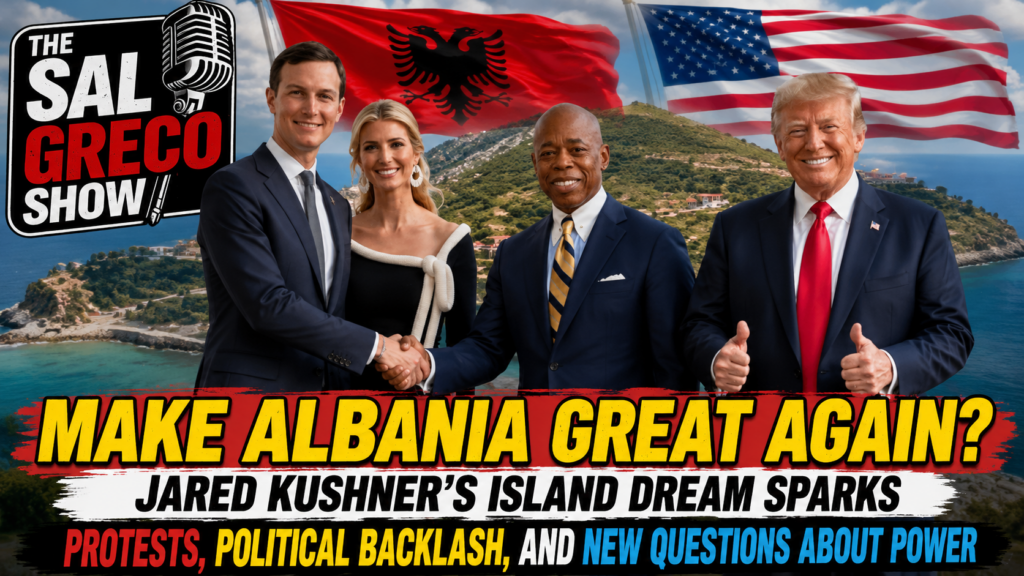
For Jared Kushner, Albania’s Sazan Island may represent the next great luxury development opportunity. For thousands of Albanians now protesting in the streets, it represents something very different: a symbol of foreign influence, political favoritism, and wealthy elites treating their country like a private investment portfolio.
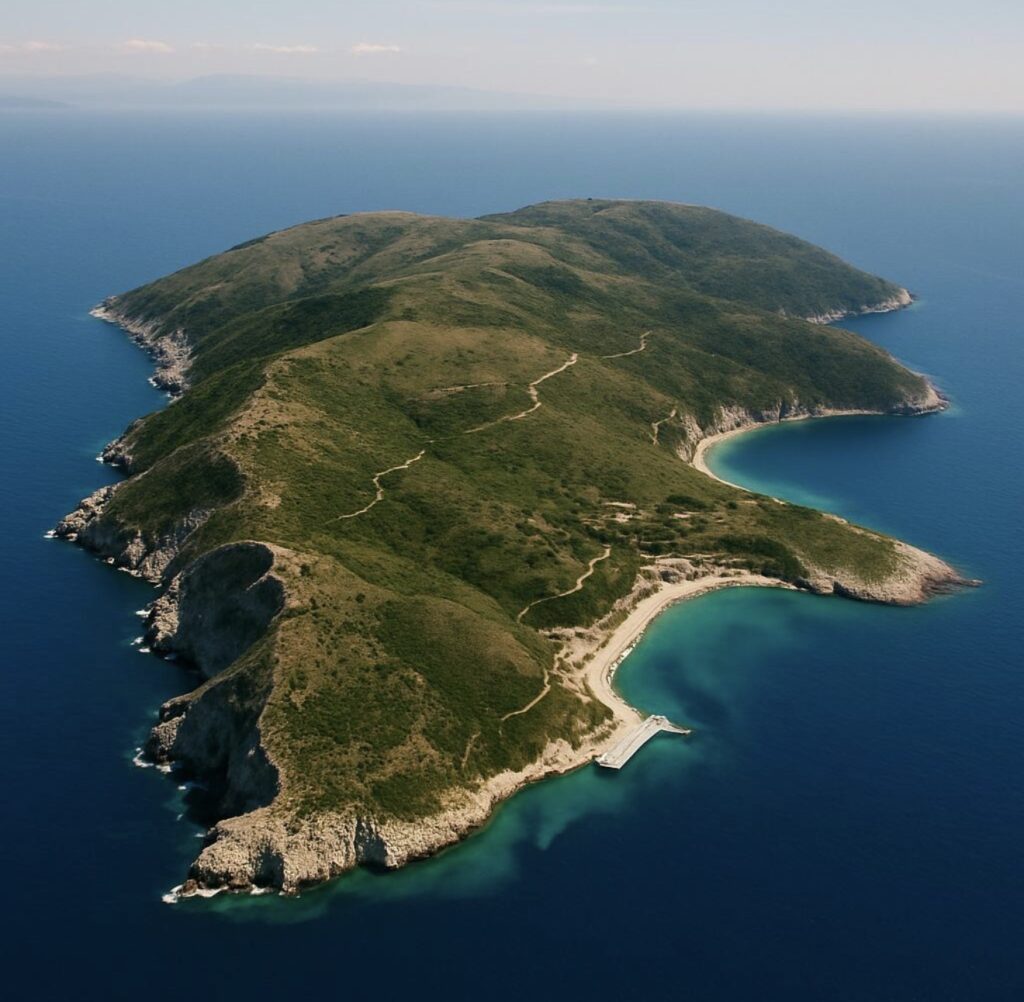
What was supposed to be a glamorous billion-dollar resort project has rapidly transformed into an international political headache for the Trump family.
At the center of the controversy is Kushner’s proposal to redevelop Sazan Island, a largely untouched former military island off Albania’s coast, into an ultra-luxury resort destination. Supporters claim the project will create jobs and attract investment. Critics argue it threatens a unique ecosystem while benefiting politically connected insiders at the expense of ordinary Albanians.
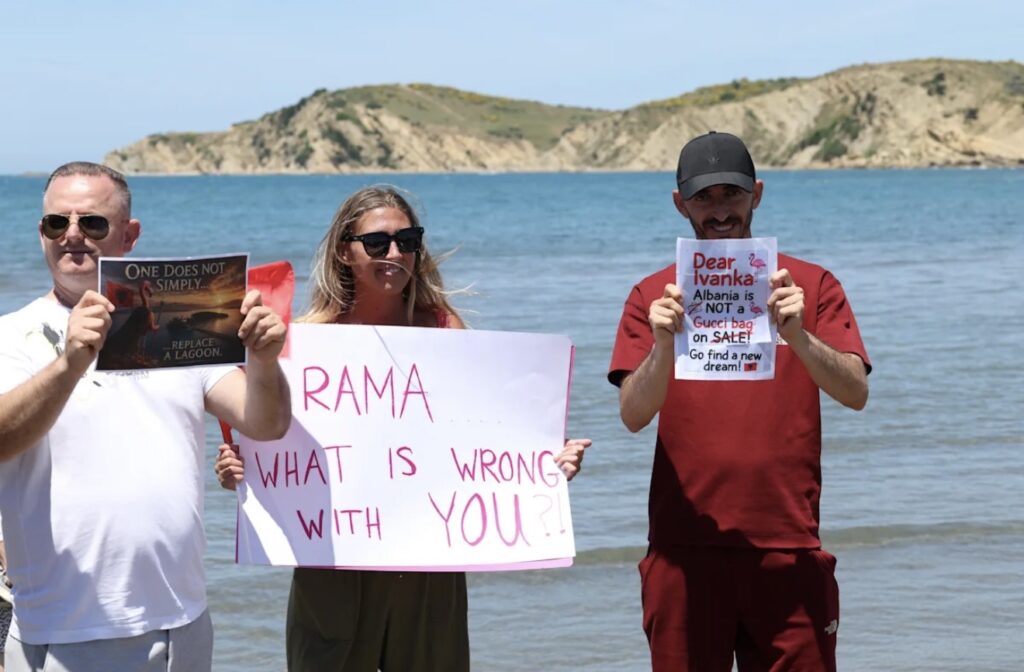
The backlash has become so intense that demonstrations have erupted across Albania, with protesters accusing their government of rolling out the red carpet for foreign billionaires while average citizens struggle with rising costs and economic uncertainty.
In many ways, the message from the protesters could be summed up with a phrase Americans know well:
“Make Albania Great Again.”
The irony is hard to miss.
While many Americans are struggling with grocery prices, housing costs, gasoline expenses, and uncertainty about their economic futures, the President’s son-in-law and daughter are discussing a luxury island development project on podcasts and in interviews.

Ivanka Trump’s recent comments about the project only intensified the criticism. While speaking enthusiastically about the development and describing the lifestyle it would offer, many listeners viewed the remarks as remarkably tone-deaf. Critics argued that discussing private-island luxury while families across the United States continue worrying about inflation and affordability reflected a disconnect between political elites and the people they claim to represent.

The optics become even more complicated when viewed through the lens of foreign policy.
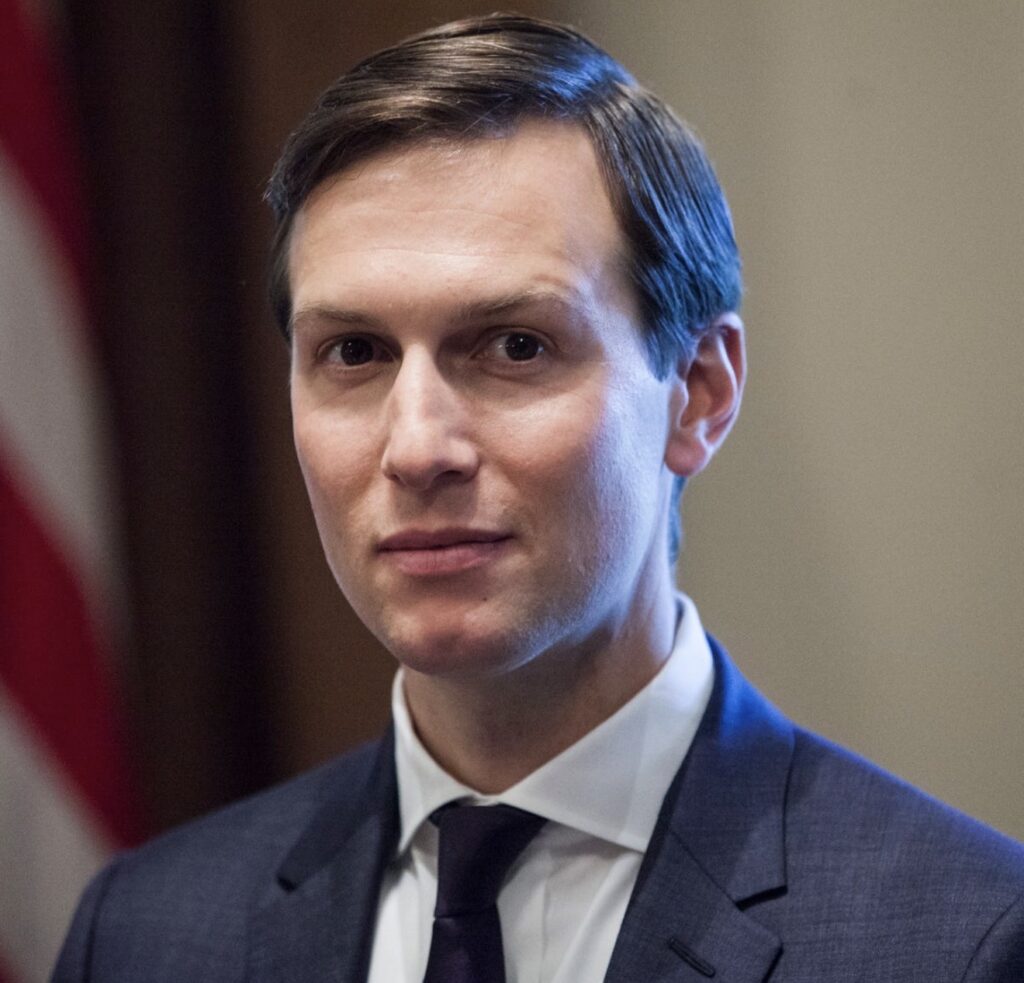
Jared Kushner is not merely a real-estate developer. He served as a senior adviser during Donald Trump’s first administration and remains one of the most influential figures in Trump’s political orbit. Kushner played a central role in Middle East diplomacy, including the Abraham Accords, and has maintained extensive business relationships throughout the region through his investment firm, Affinity Partners.
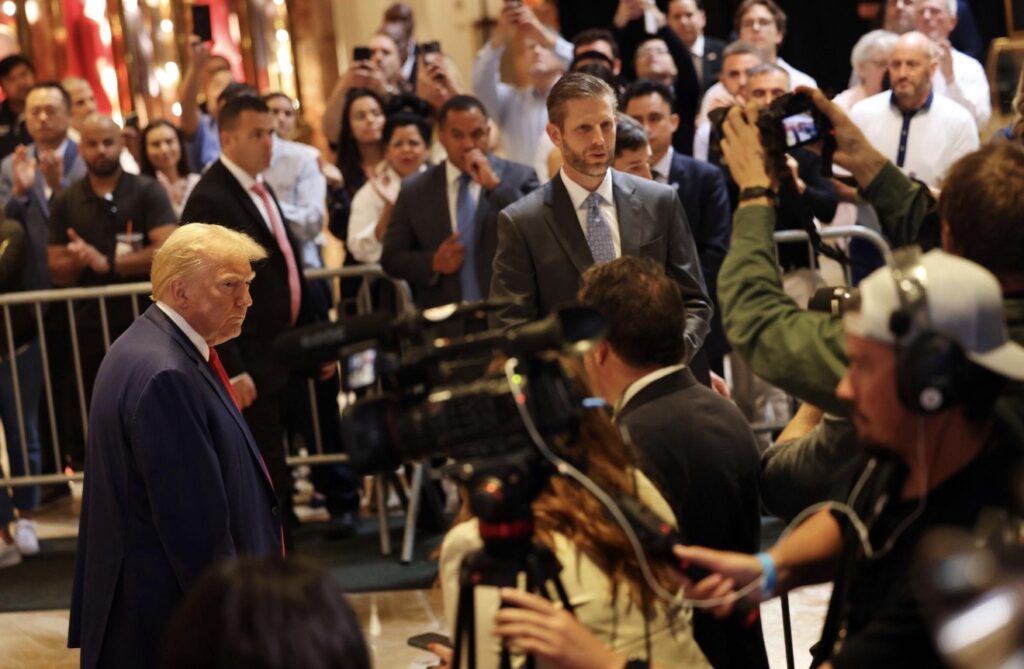
As conflict involving Israel, Iran, and the United States continues to dominate headlines, critics question whether family members and informal advisers should simultaneously be participating in sensitive geopolitical matters while pursuing massive international business ventures.
Whether fair or unfair, that perception problem now follows the administration.
For many protesters in Albania, this has become about more than an island. It has become a referendum on whether wealthy political families can leverage influence and connections to reshape another country’s landscape while local residents are expected to simply accept the consequences.
The controversy has also produced one of the strangest political side stories imaginable.
Former New York City Mayor Eric Adams was recently granted Albanian citizenship, a development that raised eyebrows among political observers in both New York and Albania.
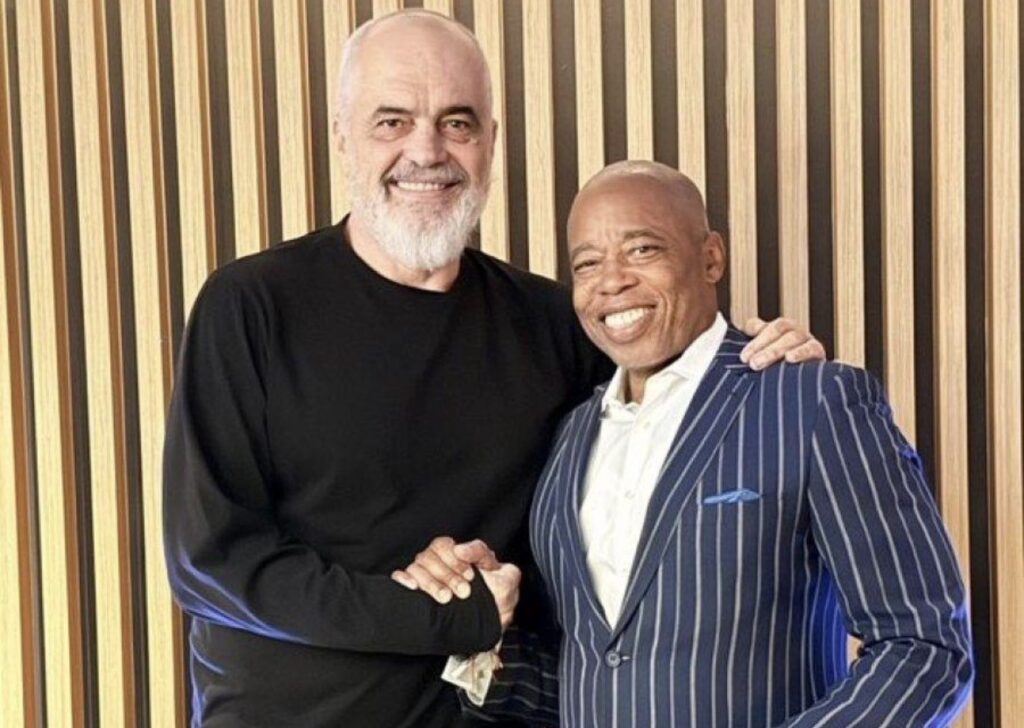
The timing naturally generated discussion because Adams remains one of the most controversial political figures in America. Federal corruption charges against Adams were dismissed without prejudice by the Department of Justice, a decision that generated enormous criticism from legal observers and political opponents. Critics argued the dismissal represented an extraordinary intervention by the federal government on behalf of a politically connected figure.
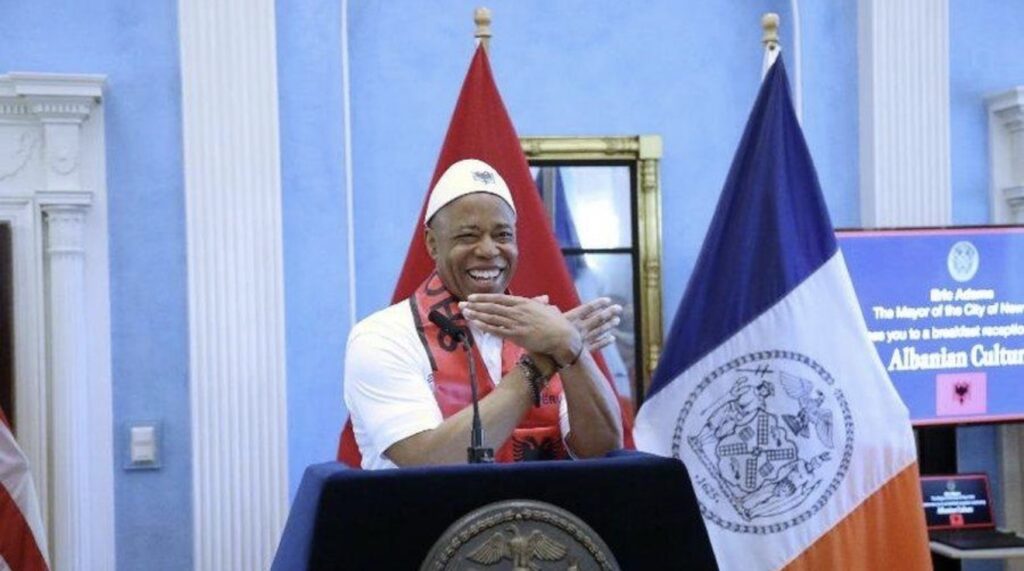
Since then, some of Adams’ critics have publicly urged Manhattan District Attorney Alvin Bragg to examine whether state-level charges should be pursued based on conduct underlying the federal investigation. Bragg has not announced any such case, and no state prosecution is currently pending.
Still, the combination of Albanian citizenship, the Kushner island controversy, and Albania’s sudden appearance in American political headlines has led to endless speculation and jokes online.
Will Eric Adams someday be vacationing on Kushner’s island?
Will Albania become the newest gathering place for political figures seeking an escape from New York’s never-ending scandals?
There is no evidence supporting either proposition. But the fact that people are even asking those questions illustrates how unusual this entire situation has become.
What started as a luxury resort proposal is now creating political headaches for the Trump family, unwanted attention for Albania’s government, and fresh scrutiny of the relationship between political influence and private business.
For the Trump administration, the optics are difficult. At a time when voters are focused on affordability, inflation, and international instability, headlines involving presidential family members developing a luxury island resort overseas are unlikely to resonate with struggling Americans.
For Albania, the protests represent something larger than a single project. They reflect a growing belief among many citizens that their country should not be treated as a playground for global elites.
And for Eric Adams?
His unexpected Albanian citizenship has ensured that no discussion about Albania’s newest political controversy can take place without at least a few New Yorkers asking the same question:
“What could possibly happen next?”