BY SAL GRECO
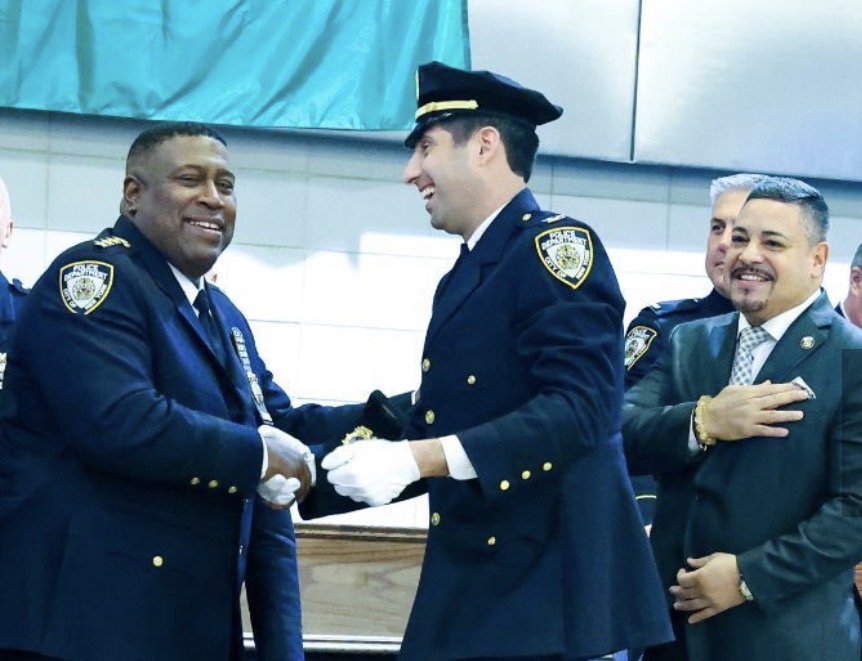
For years, allegations surrounding NYPD Deputy Chief Richie Taylor circulated quietly behind the scenes while powerful political allies and influential connections allegedly shielded him from meaningful accountability. Now, with mounting public scrutiny and admissions tied to stolen time allegations, the controversy has evolved into one of the most damaging corruption scandals facing the NYPD’s executive ranks in recent memory.
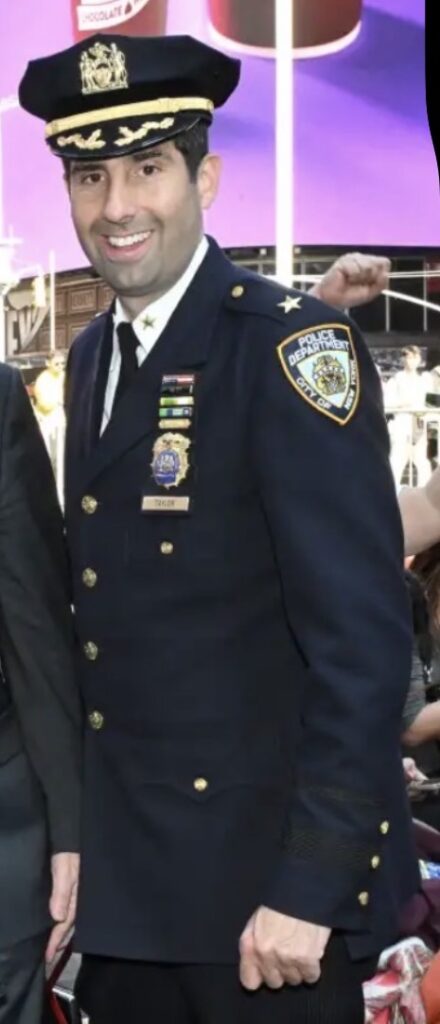
The issue is no longer whether concerns existed. The issue is how someone so deeply connected within New York City’s political and law enforcement establishment allegedly continued operating with apparent protection despite serious misconduct allegations.
According to multiple reports and sources familiar with the matter, Taylor admitted to receiving compensation for time he did not legitimately work — conduct that many rank-and-file officers know would ordinarily trigger immediate suspension, departmental charges, termination proceedings, and potential criminal prosecution. Instead, critics argue Taylor benefited from a level of protection unavailable to ordinary cops.
The allegations surrounding political interference are equally alarming.
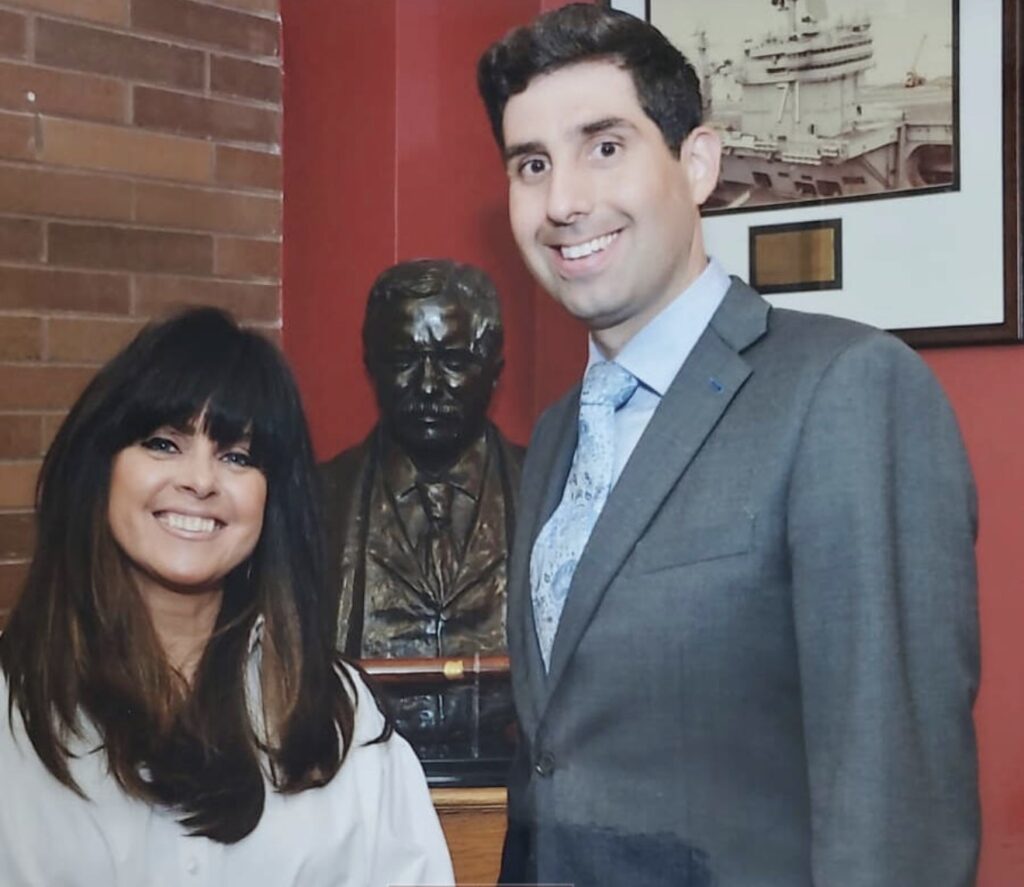
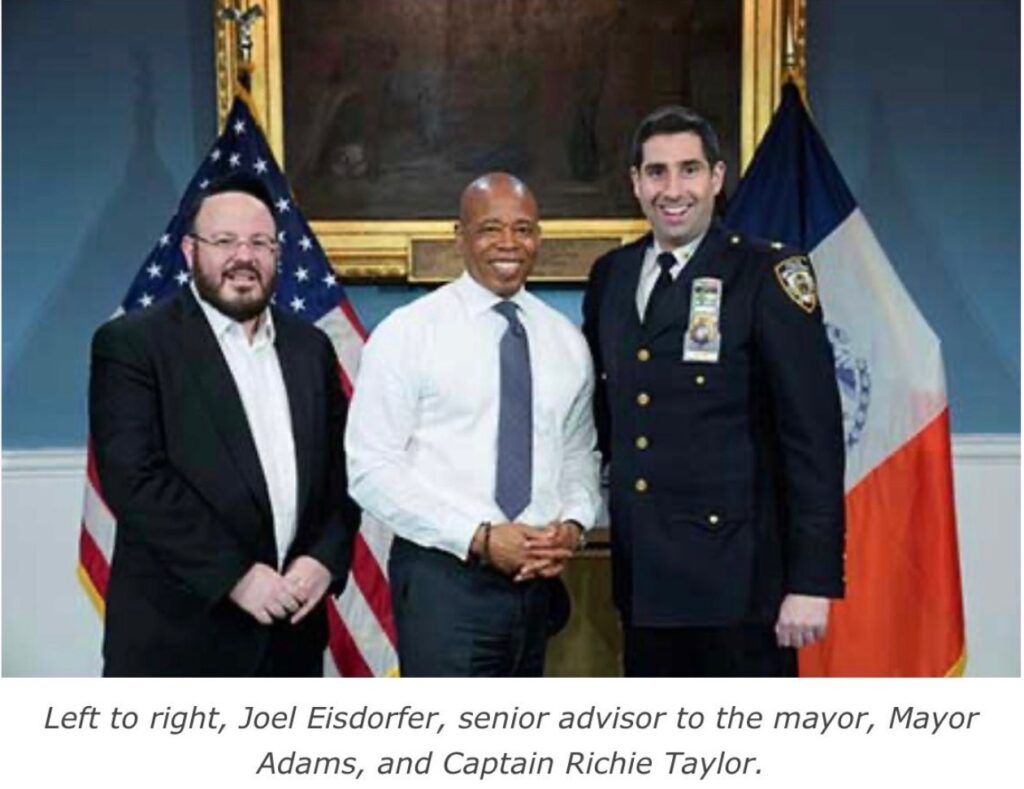
Multiple insiders have alleged that Devora Halberstam — one of the founders of the Jewish Children’s Museum and a politically connected figure with longstanding influence in New York City circles — helped protect and shelter Taylor through political relationships and backchannel influence. Former senior Eric Adams advisor Joel Eisdorfer has also allegedly been linked by sources to efforts surrounding Taylor’s protection within city power structures.
Most troubling are allegations involving the Manhattan District Attorney’s Office.
According to sources familiar with the matter, NYPD Internal Affairs investigators referred Taylor’s case to the Manhattan DA for possible criminal prosecution after substantiating allegations involving stolen time and misconduct. Yet despite the referral, the criminal case allegedly stalled after influential individuals reportedly intervened behind the scenes on Taylor’s behalf. Critics inside and outside the department now openly question whether political pressure was applied to “put the kibosh” on prosecution that otherwise would have proceeded against a lower-ranking officer.
If true, the implications are staggering.
This would not merely represent misconduct by one deputy chief. It would represent the appearance of a politically protected executive class operating above the law while ordinary police officers face aggressive discipline for far lesser violations.
The NYPD has historically prosecuted and terminated members accused of fraudulent overtime schemes, falsified records, and theft of taxpayer money. Former NYPD Lieutenant Thomas Fabrizi stands as a clear example of prior precedent involving criminal prosecution connected to departmental fraud allegations. The law and departmental standards already exist. The question is whether those standards will be equally applied to someone with political allies and institutional protection.
At the center of this scandal now stands Police Commissioner Jessica Tisch.
Commissioner Tisch has repeatedly spoken about professionalism, accountability, and restoring trust within the NYPD. Those words now face their ultimate test. Critics argue that failure to take decisive action against Taylor would further cement public perception that executive leadership inside One Police Plaza operates under an entirely separate system of justice.
Administrative transfers and quiet reassignments cannot substitute for accountability.
If the allegations and admissions are accurate, Taylor should face immediate suspension, demotion, departmental termination proceedings, pension scrutiny, and full criminal review by prosecutors independent of political influence. Anything less risks signaling that corruption within the executive ranks is tolerated so long as the individual possesses the right political relationships.
The danger extends beyond public optics.
When senior NYPD executives allegedly manipulate the system without consequence, morale throughout the department collapses. Honest officers begin believing integrity is punished while connections are rewarded. Public confidence erodes. Cynicism spreads internally and externally alike.

No police department can function effectively when accountability only flows downward.
The public now faces a defining question: will New York City allow politically connected executives to escape consequences that ordinary officers would never avoid, or will leadership finally prove that nobody — including deputy chiefs with powerful friends — stands above the law?