
BY SAL GRECO
Three Arrests in One Week Raise Serious Questions
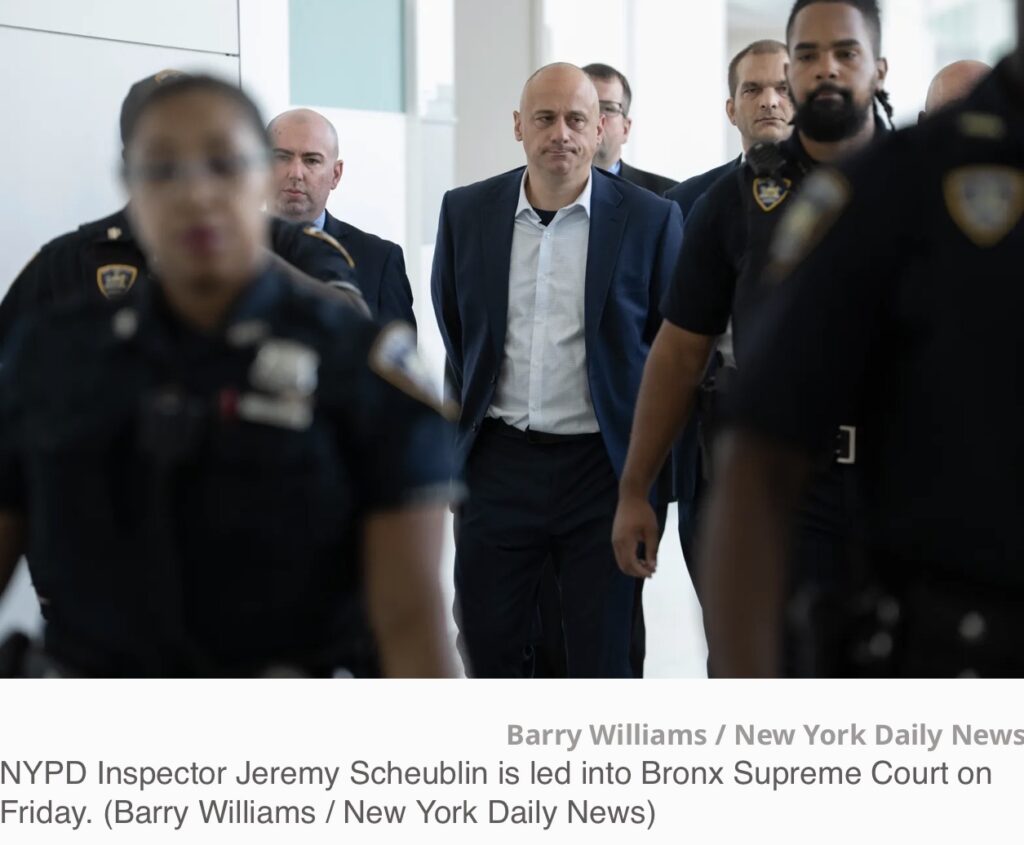
The arrest of former NYPD Inspector Jeremy Scheublin did not occur in isolation.
Within roughly the same week, two other NYPD officers were arrested in unrelated cases involving allegations of rape and other serious sexual offenses. While each case involves different facts, different alleged victims, and different criminal proceedings, the timing of the arrests has intensified scrutiny of whether the department is confronting a broader cultural problem.
NYPD Inspector Jeremy Scheublin, the former commanding officer of the 46th Precinct, was arrested and charged with attempted rape and sexual abuse after a subordinate officer alleged he sexually assaulted her inside his office at the precinct. Prosecutors have stated that surveillance video and other evidence support portions of the complainant’s account. Scheublin has pleaded not guilty, and his attorneys have denied the allegations, arguing the claims are false.
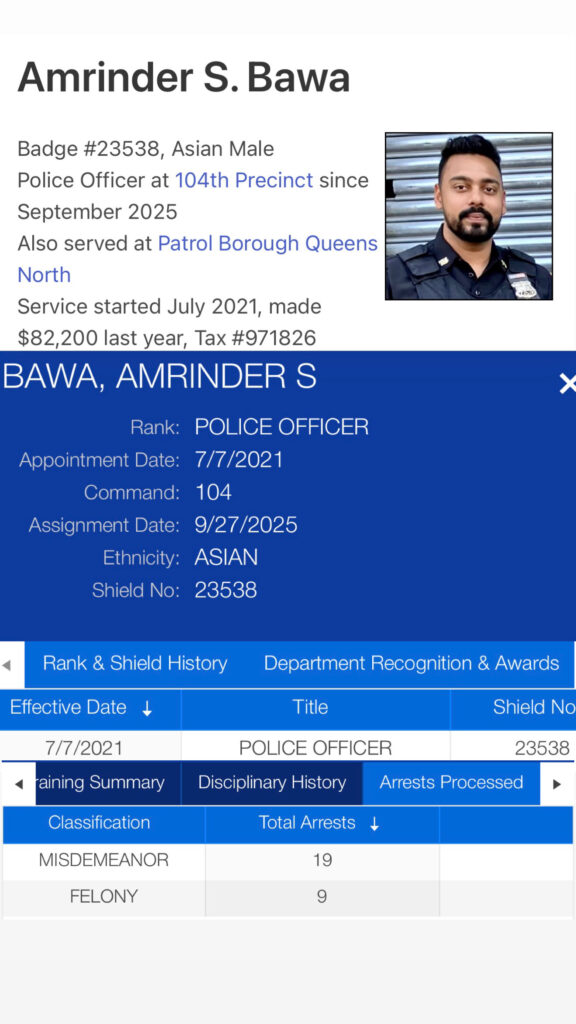
In Queens, prosecutors charged an NYPD officer with rape, strangulation, assault, unlawful imprisonment, and related offenses after alleging he repeatedly assaulted his girlfriend during a domestic violence incident. According to prosecutors, the officer allegedly raped the woman, choked her, and at one point drove his knee into her chest until she lost consciousness before she was eventually able to seek help. The criminal case remains pending, and the officer is presumed innocent unless proven guilty.
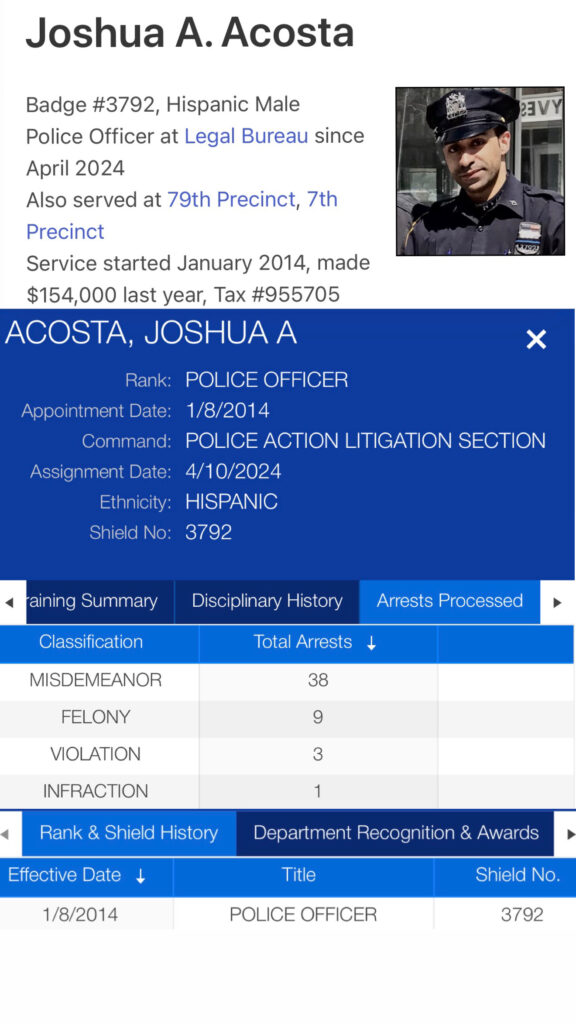
In a separate Brooklyn case, Officer Joshua Acosta was arrested and charged with multiple counts of rape, sexual misconduct, course of sexual conduct against a child, and acting in a manner injurious to a child after authorities alleged he repeatedly sexually abused a young relative over several years beginning in 2021. Acosta’s attorneys have denied the allegations, stating they possess evidence they believe will establish his innocence. The case remains pending, and Acosta is presumed innocent unless proven guilty.
Standing alone, any one of these arrests would be deeply disturbing.
Taken together, however, they represent three separate NYPD officers arrested within approximately one week on allegations involving serious sexual offenses.
No police department employing more than 30,000 sworn officers can realistically prevent every criminal act committed by an individual member. But leadership can and should be judged by how effectively it identifies warning signs, investigates misconduct, disciplines wrongdoing, and establishes a culture that neither tolerates nor conceals inappropriate behavior.
That is the larger issue confronting the NYPD today.
These recent arrests also come amid a growing number of civil lawsuits alleging sexual harassment, retaliation, hostile work environments, and failures of supervision throughout various parts of the department. While allegations in civil complaints are not proof of misconduct, the volume and seriousness of the claims have fueled public debate over whether these incidents represent isolated acts or symptoms of broader institutional problems that deserve independent scrutiny.
For Police Commissioner Jessica Tisch, the challenge extends beyond responding to individual arrests. The broader question is whether department leadership is willing to confront concerns about workplace culture, accountability, and transparency with the same urgency that it emphasizes crime statistics and public messaging. Restoring confidence will require more than statements—it will require consistent accountability, regardless of rank or position.
Each case stands on its own facts.
Yet together they represent three different NYPD officers arrested within approximately one week on allegations involving serious sexual misconduct.
That reality inevitably raises larger questions beyond the actions of any individual defendant.
Is There A Deeper Cultural Problem?
No organization employing tens of thousands of people can realistically prevent every act of criminal misconduct by every employee.
However, leadership can be judged on whether warning signs are recognized, misconduct is aggressively investigated, and accountability is consistently applied regardless of rank.
Increasingly, critics argue that the NYPD appears to spend enormous energy managing public perception while uncomfortable internal issues continue to surface.
Over the past several years the department has faced:
- Multiple lawsuits alleging sexual harassment and retaliation.
- Allegations of inappropriate relationships between supervisors and subordinates.
- Criminal prosecutions involving members of the service.
- Questions surrounding workplace culture inside specialized units and precinct commands.
- Claims by current and former employees that complaints are not always handled consistently.
Whether every allegation ultimately proves true is a matter for investigators and the courts.
The growing number of allegations themselves, however, raises legitimate questions about whether deeper organizational issues deserve greater examination.
The One Police Plaza Incident
One incident that continues to generate discussion involved allegations that an attempted rape occurred inside One Police Plaza.
The Sal Greco Show publicly reported on the existence of those allegations after learning about them through sources.
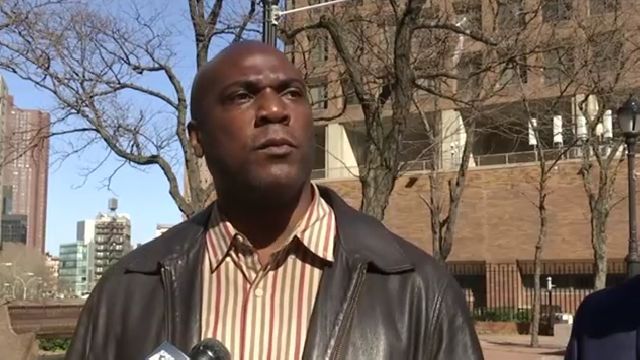
According to reporting and accounts discussed publicly at the time, Detective David Terrell later searched the department computer system to determine whether such an incident had been reported at his own workplace.
Supporters of Terrell have argued that the department should have been transparent with employees if such an incident had occurred, particularly because workplace safety affects every member assigned there.
Critics have alleged that instead of openly addressing the underlying issue, department leadership focused significant attention on determining who disclosed information to the media and investigating individuals associated with reporting it.
Those allegations remain matters of public discussion and should be distinguished from established fact.
If accurate, however, they raise difficult questions about institutional priorities.
Accountability Must Apply Equally
The public expects accountability regardless of rank.
That expectation does not stop at patrol officers.
It extends to executive leadership.
Various allegations have circulated publicly involving senior officials, including claims regarding inappropriate fraternization involving Chief of Department Michael LiPetri and Chief of Internal Affairs Ed Thompson.
These allegations have not resulted in criminal findings, and no conclusions should be drawn without evidence and due process.
However, critics argue that credible allegations involving senior executives deserve the same thorough, transparent investigations that line officers routinely face.
Public confidence depends upon the appearance—and reality—that everyone is subject to the same standards.
Crime Statistics Cannot Become The Entire Conversation
Commissioner Jessica Tisch has frequently highlighted declining crime statistics during her tenure.
Crime reduction is an important measure of departmental performance.
But statistics alone cannot answer concerns regarding organizational culture.
Critics have also questioned the department’s auditing practices surrounding crime reporting and whether post-report corrections may affect public perceptions of crime trends. Those issues have generated ongoing public debate but should be evaluated based on evidence and official findings.
Even if crime numbers improve, leadership must still answer difficult questions when repeated allegations of sexual misconduct, retaliation, workplace toxicity, and failures of supervision continue to emerge.
Those issues affect officer morale, public trust, recruitment, and ultimately the legitimacy of the department itself.
A Leadership Test
These recent arrests should not be viewed merely as isolated headlines.
They present another test of leadership.
If multiple unrelated criminal cases involving alleged sexual violence emerge within days of one another while lawsuits continue describing troubling workplace environments, the question naturally becomes whether systemic issues exist that require more than disciplinary action against individual officers.
Transparency, independent investigations, and equal accountability—regardless of rank—are essential if public confidence is to be restored.
The overwhelming majority of NYPD officers perform their duties honorably and professionally.
They deserve leadership that aggressively confronts misconduct wherever it exists rather than allowing allegations to linger, minimizing uncomfortable issues, or creating the perception that some individuals receive different treatment because of rank or political considerations.
Whether these recent cases ultimately represent isolated criminal acts or symptoms of broader institutional problems is a question that deserves continued public scrutiny.
The answer will likely be determined not only by future prosecutions, but by whether department leadership demonstrates a willingness to investigate every allegation thoroughly, transparently, and without fear or favor.