BY SAL GRECO
A bombshell report has sent shockwaves through the soccer world. According to multiple reports, UEFA’s 55 member associations have unanimously agreed that they are prepared to boycott FIFA competitions—including future FIFA World Cups—if FIFA proceeds with a reported plan to create a new commercial entity valued at approximately $20 billion and sell a minority stake to outside investors.
If accurate, this would represent one of the most consequential governance disputes in modern football history.
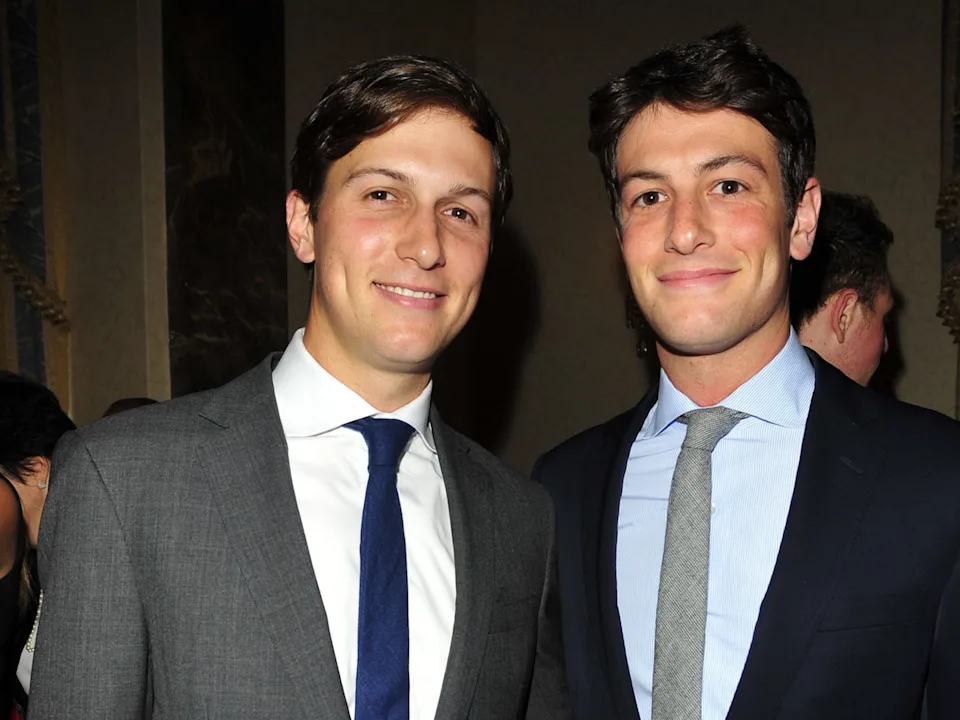
At the center of the controversy is a reported investment group led by Thrive Capital, the venture capital firm co-founded by Joshua Kushner, the brother of former White House Senior Advisor Jared Kushner. While public reporting has consistently identified Thrive Capital and Joshua Kushner as leading the proposed investment, Jared Kushner’s family connection has naturally attracted additional public attention given his high-profile role in American politics.
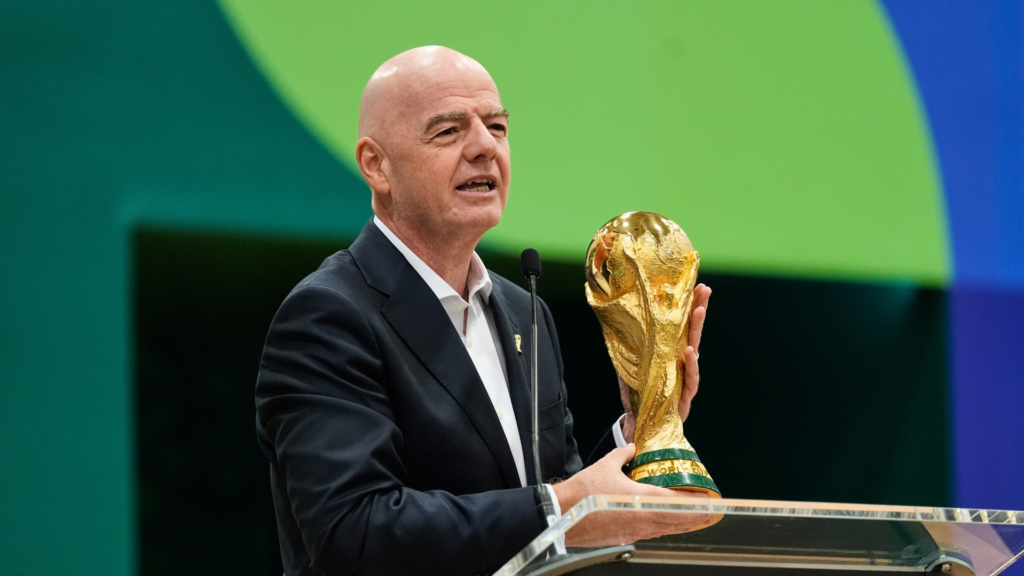
FIFA President Gianni Infantino has reportedly defended the proposal, arguing that the transaction would generate billions of dollars that could be distributed among FIFA’s member associations while allowing FIFA to retain control over the governance of the sport.
UEFA, however, appears unconvinced.
According to reports, European football officials believe the proposal represents a fundamental shift toward the commercialization of the world’s most popular sport and argue that such a dramatic change was advanced without adequate consultation with the organizations that make up international football.
If UEFA were to follow through on its reported boycott threat, the implications would be enormous. European nations have historically been among the strongest competitors in World Cup history, and any prolonged dispute between UEFA and FIFA would threaten the credibility and prestige of future tournaments.
Why Critics Believe This Could Be Dangerous
Opponents of the reported proposal argue that introducing private equity into FIFA’s commercial operations could fundamentally alter the incentives driving the organization.
Among the concerns being raised are:
- Greater emphasis on maximizing investor returns rather than protecting the integrity of the sport.
- Increased pressure for expanded tournaments, additional matches, and more commercial inventory.
- Reduced transparency surrounding FIFA’s financial and business decisions.
- Potential conflicts between FIFA leadership and private investors.
- Growing tension between FIFA and its continental confederations.
- The risk that the World Cup evolves from the world’s premier football competition into an increasingly financialized global entertainment product.
Supporters of the proposal argue that FIFA would still retain control over sporting decisions and that additional investment could provide billions of dollars to member federations around the world.
Whether those assurances satisfy critics remains to be seen.
The Trump Connection Raises New Questions
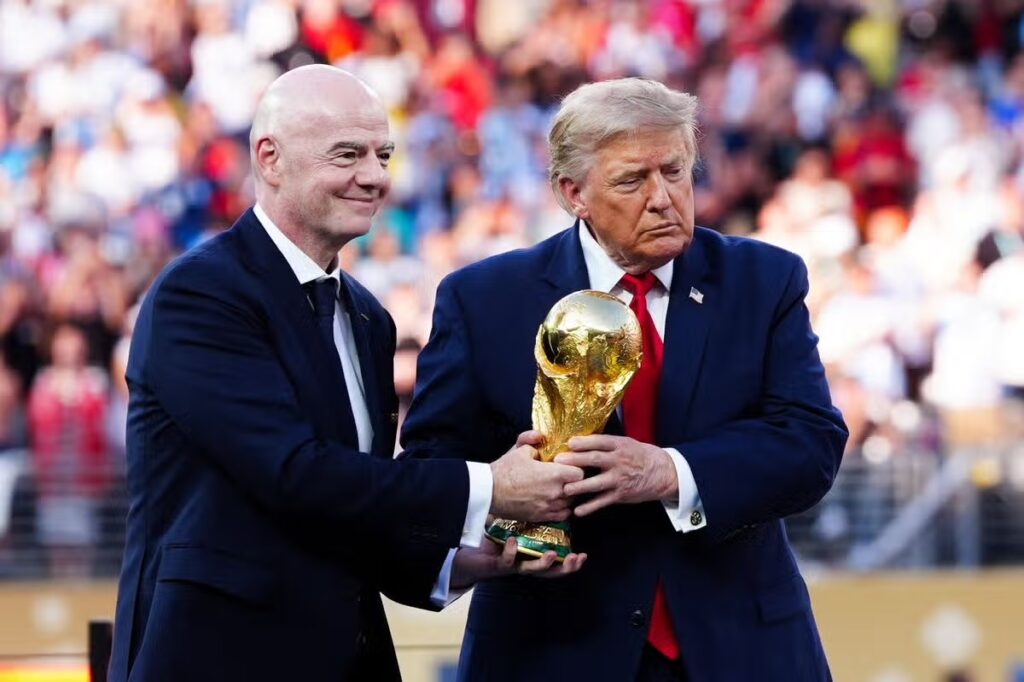
Another aspect of this story that deserves attention is FIFA President Gianni Infantino’s increasingly visible relationship with President Donald Trump.
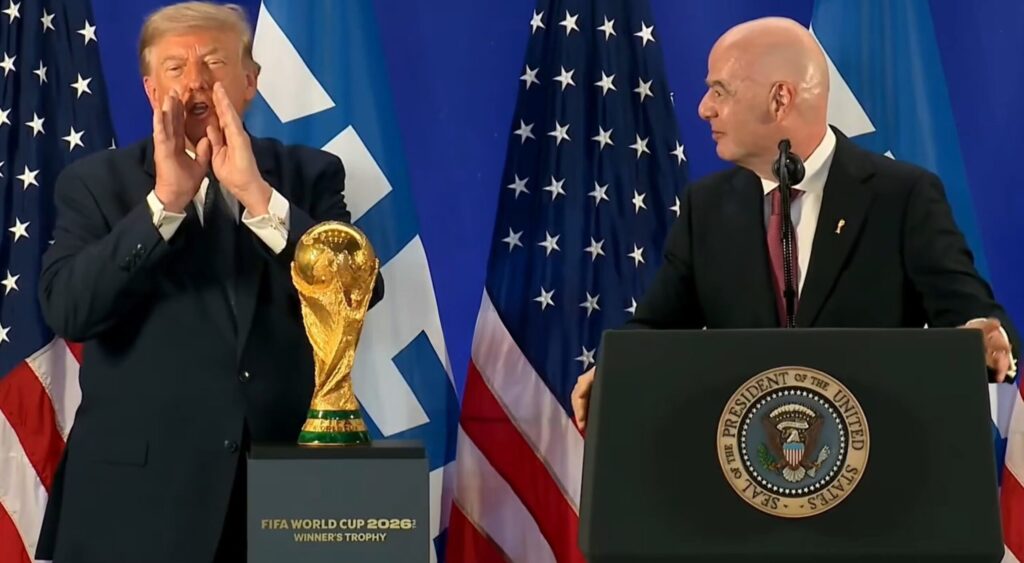
The two have appeared together publicly on numerous occasions throughout the World Cup, leading some observers to question the growing intersection between FIFA leadership, American political figures, and major U.S. investors.
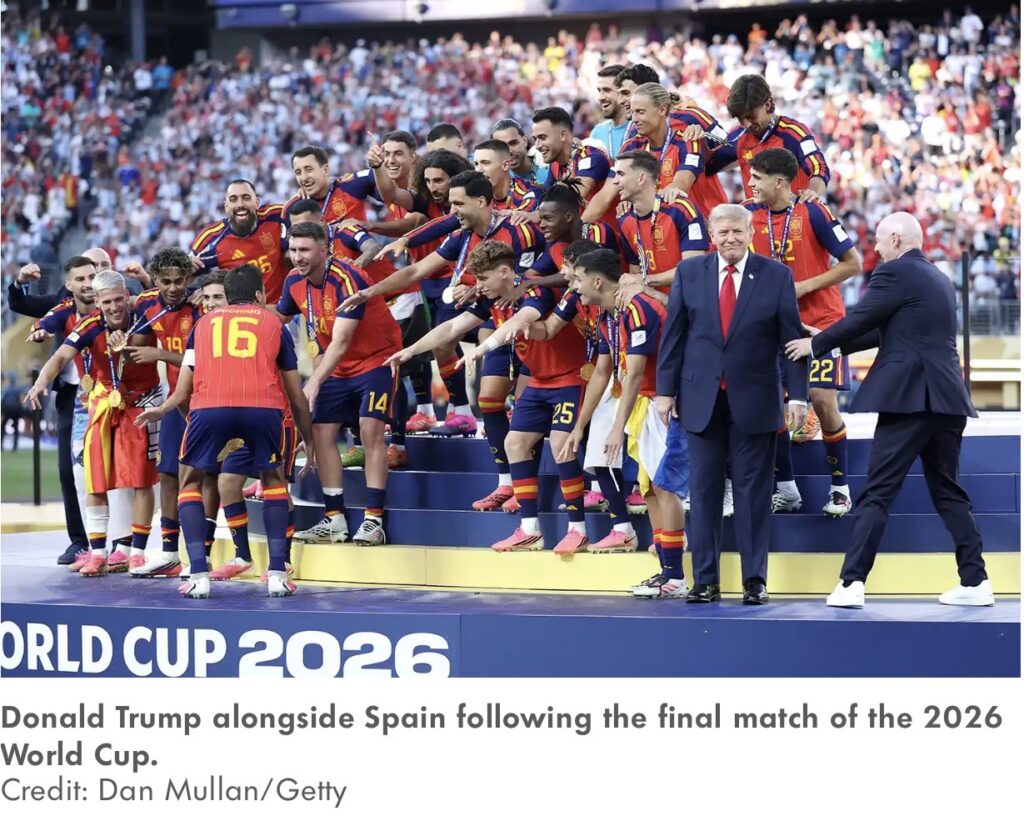
That brings us to one of the more unusual moments from the FIFA World Cup Final at MetLife Stadium.
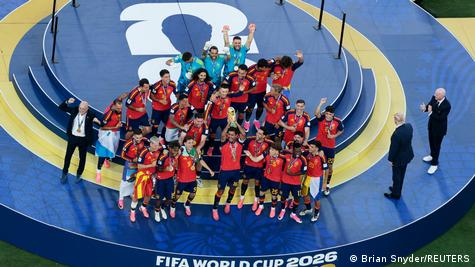
President Trump remained on the stage during Spain’s trophy presentation after the championship match—a highly uncommon sight during a FIFA trophy ceremony. The image quickly circulated worldwide and generated considerable discussion among soccer fans and commentators.
To be clear, there is currently no public evidence that President Trump’s presence during Spain’s trophy presentation was connected to the reported investment proposal involving Thrive Capital or any member of the Kushner family.
However, given the timing of these developments and the close public relationship between Infantino and Trump, the optics have inevitably prompted questions.
Those questions deserve thoughtful answers—not assumptions.
If FIFA was already pursuing one of the largest commercial transactions in sports history with a U.S.-based investment group connected to one of America’s most prominent business families, many observers will naturally ask:
Why was the President of the United States standing alongside FIFA officials during the World Cup trophy ceremony?
Was it simply ceremonial?
Or does it reflect a broader relationship between FIFA leadership, American political power, and Wall Street that deserves greater public transparency?
Those questions are legitimate.
The answers, however, should be grounded in facts rather than speculation.
The Bottom Line
The reported proposal has the potential to reshape international football for generations.
Whether it ultimately provides greater financial stability or accelerates the commercialization of the world’s most beloved sport remains to be seen.
What is already clear is that FIFA now faces one of the most significant governance challenges in its history.
With UEFA reportedly prepared to walk away, billions of dollars on the table, and increasing scrutiny surrounding FIFA’s political and financial relationships, this story is likely only beginning.
As more information becomes available, one thing is certain: football fans around the world deserve transparency from the organizations entrusted with protecting the integrity of the beautiful game.